

Curated choices. Quality options.
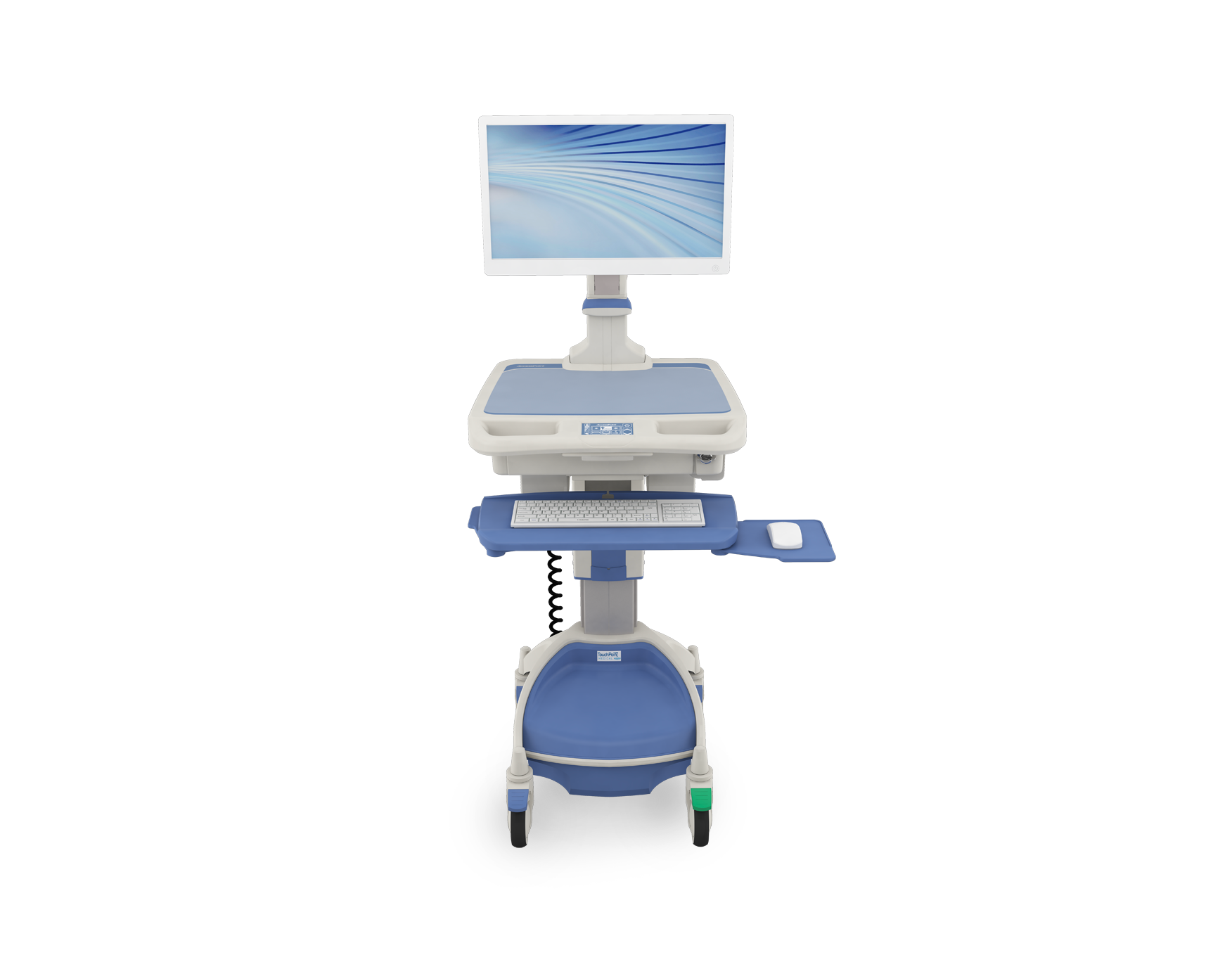
Powered, workstations on wheels provide an ergonomic solution to caregivers, a flexible platform for IT and a reliable long term asset for healthcare facilities. Workstations are easily configurable and can adapt to changing clinical and IT requirements.
From powered, monitor and computer workstations to simple, non-powered units, workstations offer ultimate user comfort, convenience and flexibility – each delivering better patient experiences though streamlined and easy-to-maneuver design.
Featured brands




Power
Advanced Li-Nano batteries have a run time of 13 hours over 5000+ cycels.
Finish
Antimicrobial treated surfaced protect against the proliferation of degrading bacteria.
Flexibility
Field-upgradeable options allow carts to adapt as your needs change
Ergonomics
Workstations, keyboards and monitor mounts are designed to adjust to the caregiver.
Monitors
Choose from single or double monitors that raise, lower, tilt, swivel and rotate.
Keyboard
Keyboard trays offer the widest range of ergonomic adjustment available.
Accessories
Equip carts with a range of accessories including drawers, baskets, sharps containers and more.
Height-adjustable
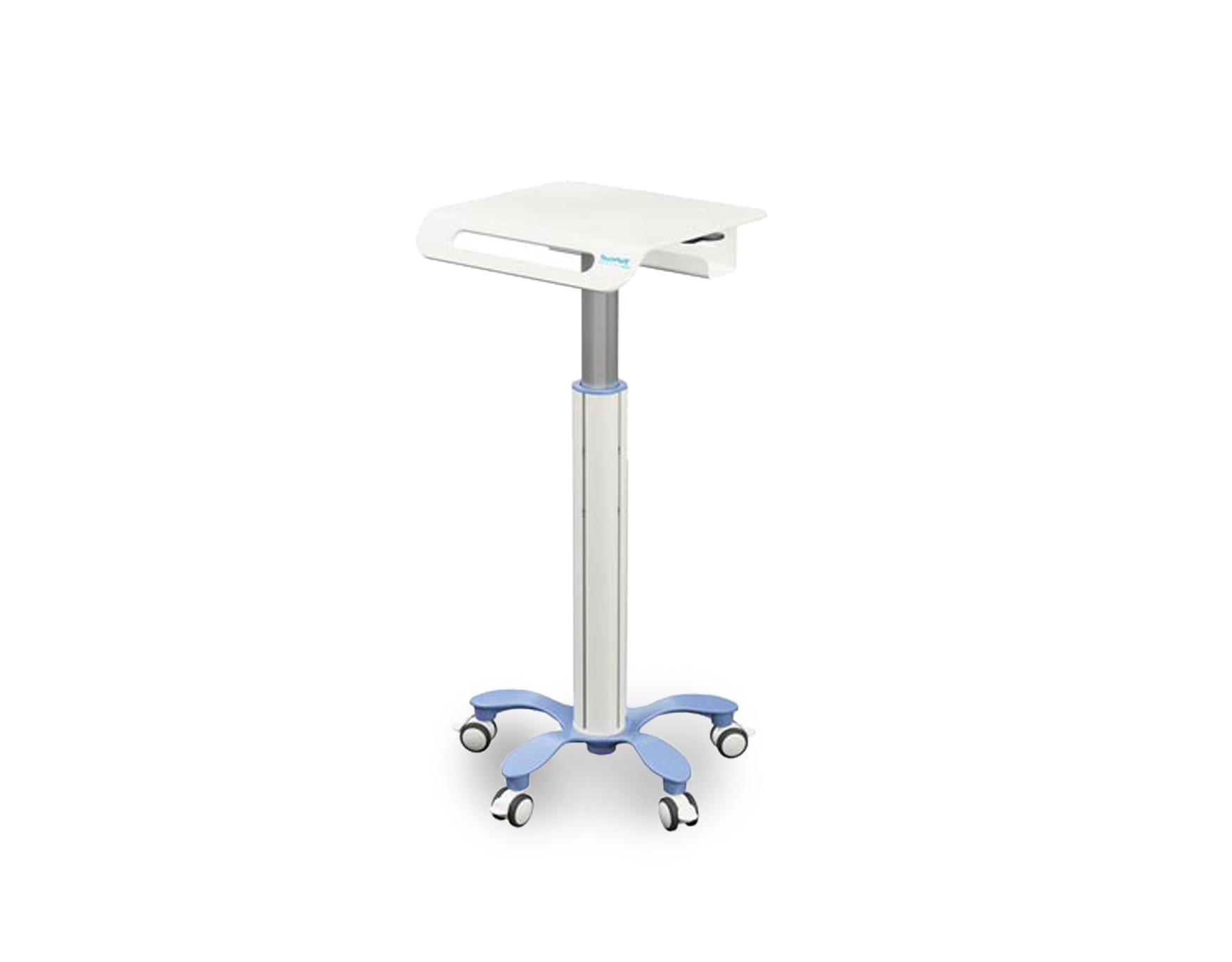
Even documentation stations can include a stable, height adjustable platform to work from.
Tips and Tricks
We’re committed to making things easy. Here’s a few things to know about this product.
- Tracking casters can be added for increased maneuverability.
- Look for smooth surfaces and minimal gaps for improved cleanability.
- Ensure weight capacity is sufficient for the equipment you’re using.
From the Blog
-
Carts 101How We Work

Why the “Go-To” Cart Isn’t Always the Right One
Learn MoreStainless steel utility carts earned their reputation honestly. They’re durable, familiar, and easy to spec without much thought. When a…
-
Carts 101

The Storage Accessories Nobody Thinks to Ask About
Learn MoreFor wire carts and shelving, most people picture one style of label holder. In practice there are A LOT of…


