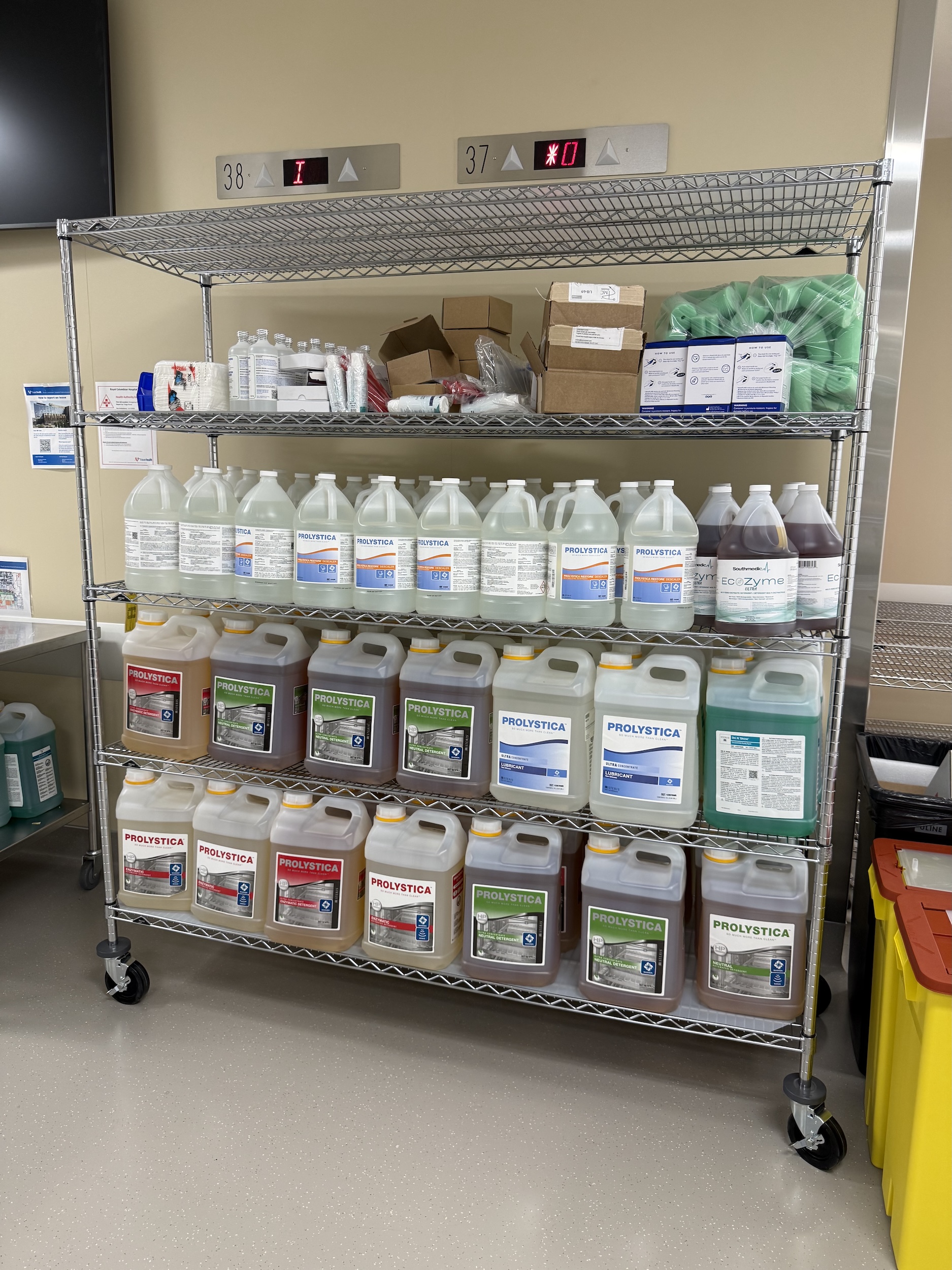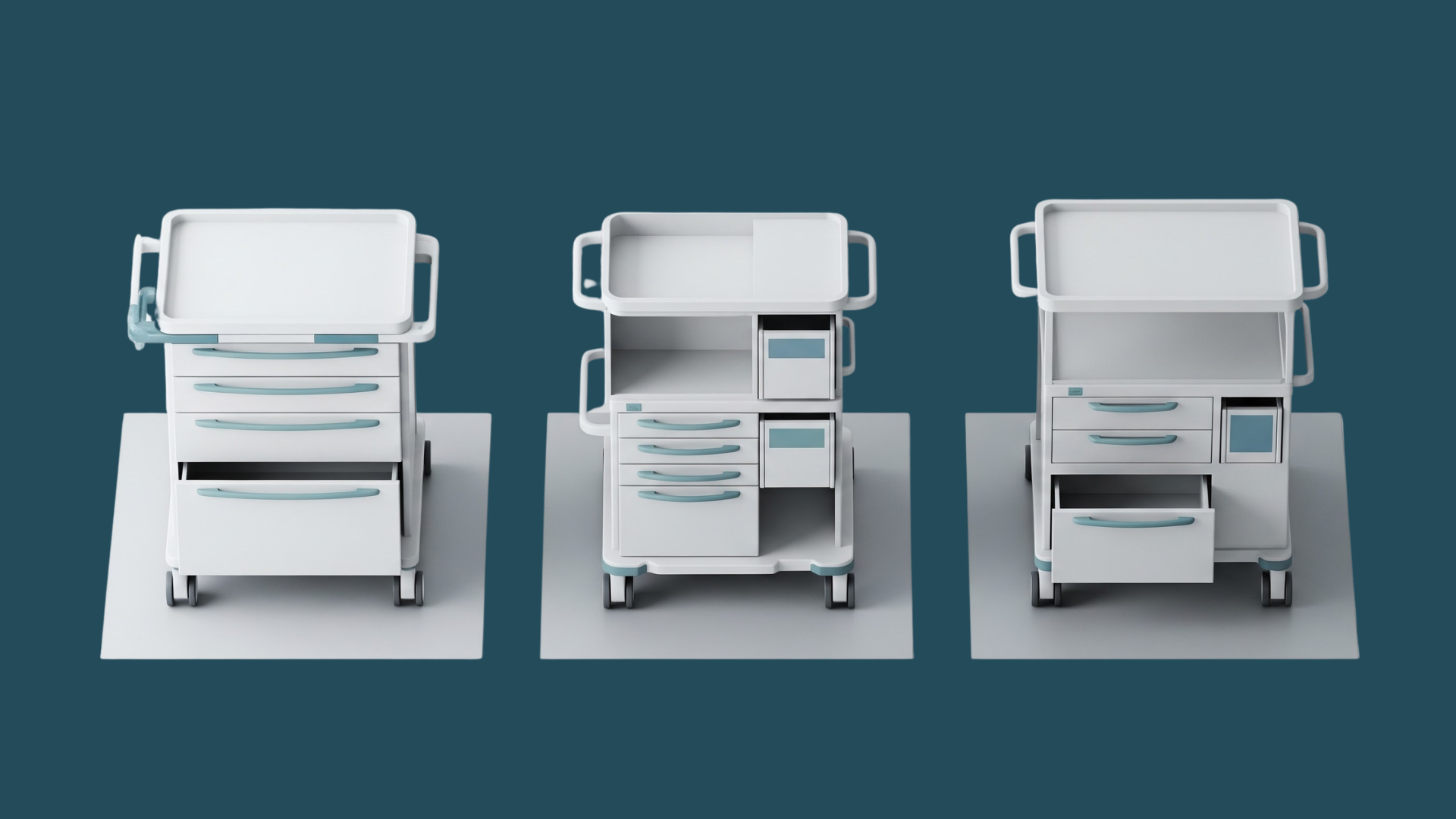
In most hospitals, storage space rarely keeps up with the reality of modern care. Supplies multiply, product lines change, and carts that once felt generous suddenly feel overstuffed. Teams know they need “more room,” but brand new carts or a full storage overhaul are rarely realistic in the middle of a busy year. EZ-ADD (from Metro) and EZ-MUV (from Wanzl) shelves offer a practical middle path: getting more storage out of the equipment you already have without turning it into a major project.
At Forsyth Healthcare, conversations with nurses, materials teams, and supply chain leaders keep circling back to the same challenge: “We’re out of space, but we don’t have room for more carts.” The opportunity is often in the vertical space that’s already there: unused air between shelves or under a dust cover. The right add-on shelving lets teams unlock that space quickly, safely, and with minimal disruption.
What EZ-ADD shelves actually do
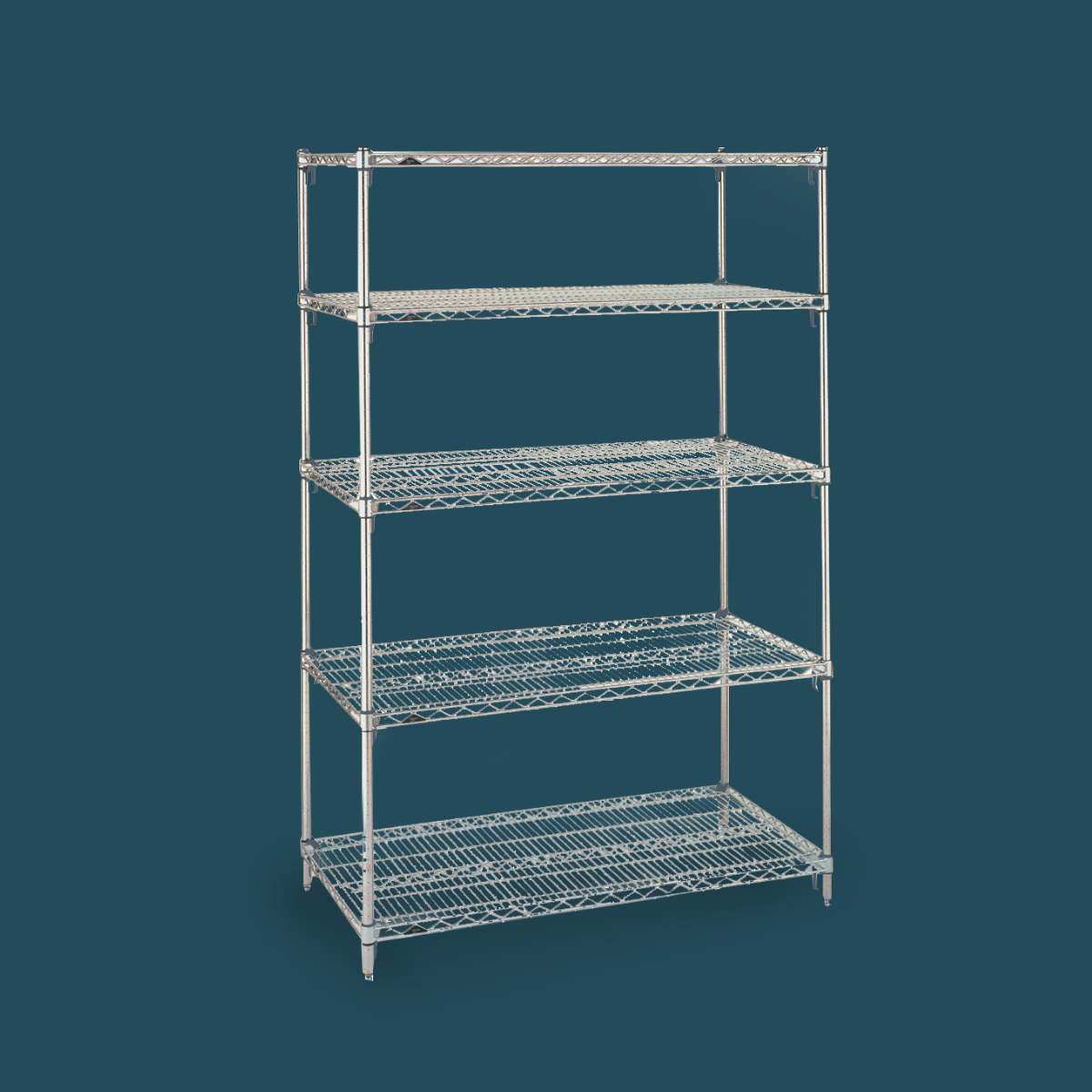
EZ-ADD shelves are designed to integrate seamlessly with existing Metro wire shelving and two-bin inventory carts. Instead of tearing down a full unit to insert a new shelf, teams can add storage exactly where it’s needed, without moving the whole stack of shelves. This makes it much easier to respond to changing inventories, whether that’s seasonal surges, new product lines, or reorganizing high-use items.
The new St. Paul’s Hospital is a good example of where EZ-ADD fits in. They chose EZ-ADD shelves for their two-bin inventory carts to create more usable capacity in the same footprint, while retaining flexibility should their needs change over time. The focus was simple: more slots for product, better separation of SKUs, and cleaner visual inventory cues, without asking frontline teams to learn a whole new system or navigate entirely new equipment.
Where EZ-MUV shelves shine
EZ-MUV shelves support the same philosophy, “do more with what you already have”, but are optimized for easy adjustments when layouts change over time. Built for strength and durability, with capacity up to 500 lb per unit depending on width, they allow staff to remove or add a single shelf without taking every other shelf off the posts. The clip-and-staple design minimizes tools and makes it easier to reconfigure existing shelving units as supply needs evolve.
For materials teams and managers, this means they can take an existing shelving run and quickly add a level for a new product category, or raise/lower a shelf to improve access, without dedicating a whole afternoon to the change. Systems like these are often described as “tool-less adjustability,” but in practice there is still a process, usually best done with two people who can safely support the shelves and confirm clearances while adjustments are made.
More shelves, not more height
One of the biggest risks when trying to fix storage problems is the temptation to “just stack higher.” For carts and shelving used in clinical areas, there are clear limits to how tall is practical and safe. In general, teams want to stay below roughly 80 inches to maintain doorway clearance and keep units maneuverable in tight corridors. At that height, the top surface should function more as a dust cover than active storage; somewhere you shield contents from debris, not a place where people are constantly reaching for supplies.
EZ-ADD and EZ-MUV shelves are most effective when they are used to build out functional storage below that line, not simply to push carts higher. By creating more intermediate levels at safe, reachable heights, teams can keep high-use items in the “strike zone” (roughly between waist and shoulder height) and reserve lower and upper shelves for bulk or less frequently accessed supplies.
Safety and ergonomics for front-line teams
Any conversation about adding storage has to include staff safety. Overloaded, tall carts can encourage above-shoulder lifting and awkward reaching, which increases strain over time. By adding EZ-ADD or EZ-MUV shelves in the right places, hospitals can reduce how often staff are reaching above shoulder height, while still fitting everything they need into the same footprint.
Adjustments are always safer and more efficient when planned. A simple practice is to schedule shelf changes when carts are partially empty (for example, right before a restock) and to assign two people to the task so there is always a second set of hands to steady the unit. This small operational detail can make the difference between a frustrating “DIY” experience and a smooth, repeatable process that teams are comfortable using whenever layouts need an update.
A simple “quick win” you can try
For teams wondering where to start, the best pilot is often the cart or shelving bay that everyone complains about, the one overflowing with mixed items, or the cart that always seems to have product stacked on top. Identify the unused vertical space, then add one or two EZ-ADD or EZ-MUV shelves to create proper levels for those loose items. Move your highest-use products into the mid-range shelves so they sit between waist and shoulder height, and relocate bulk or backup stock to the lower levels.
The real win is that changes like this do not require new capital equipment or a construction project. They show staff, quickly and visibly, that someone is paying attention to workflow pain points, and that small, thoughtful adjustments can reduce clutter and make daily work smoother. Over time, repeating this approach across more carts and storage zones allows the organization to scale capacity and safety, one shelf at a time, without losing the systems and equipment teams already rely on.
If you’re ready to learn more about expanding or updating your healthcare storage, simply contact us.