

Enclosed Storage & Workstations
Restrict access to and protect supplies from potential contamination in ORs, OR core areas, ED trauma rooms, and public spaces.
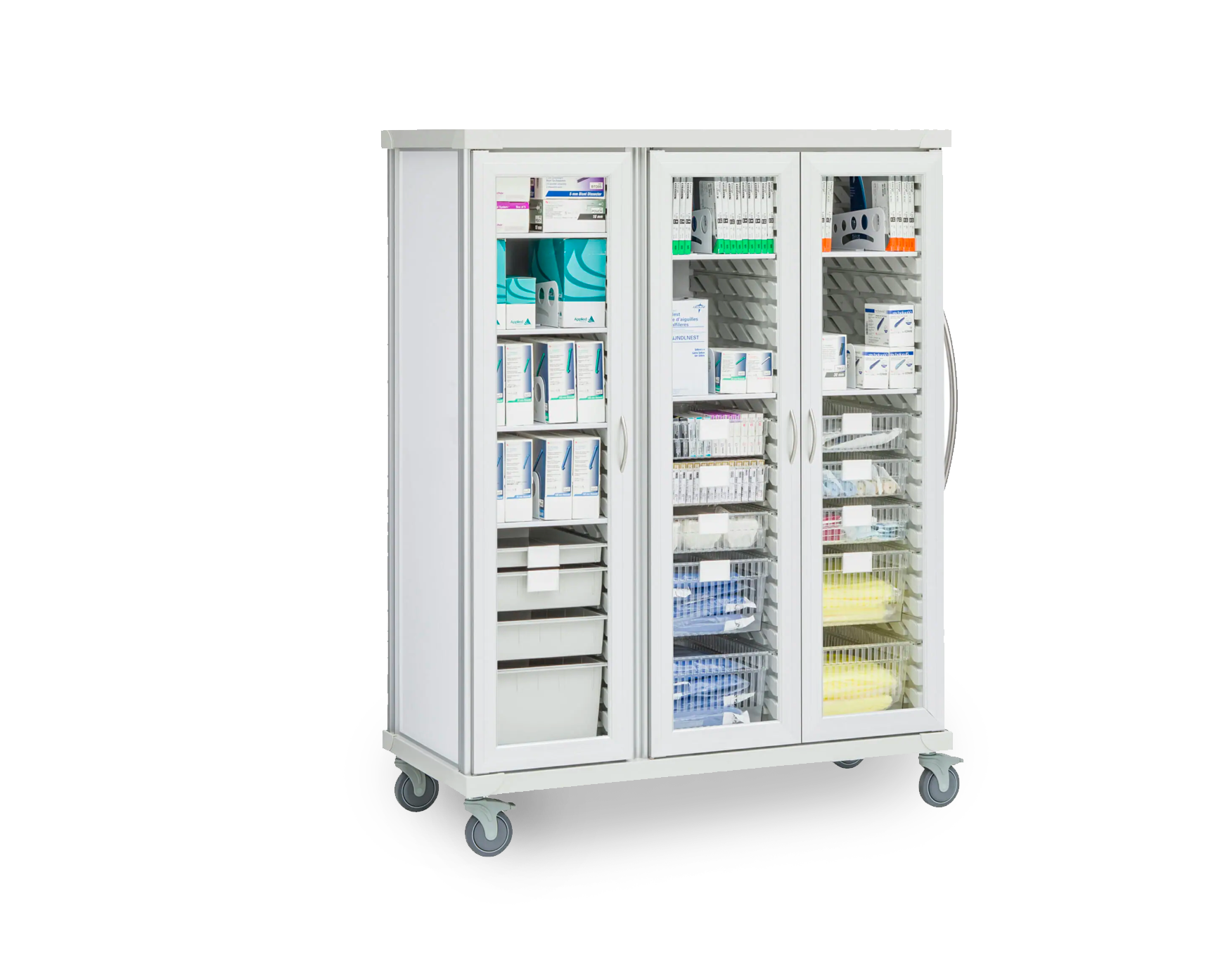
Enclosed storage keeps supplies out of the wrong hands and away from contamination in the spaces that need it most: ORs, OR core areas, ED trauma rooms, and anywhere with public foot traffic. Forsyth Healthcare fits hospitals and clinics across Canada with closed cabinets and workstations, built-in or mobile, so restricted access doesn’t mean restricted workflow.
Curated choices
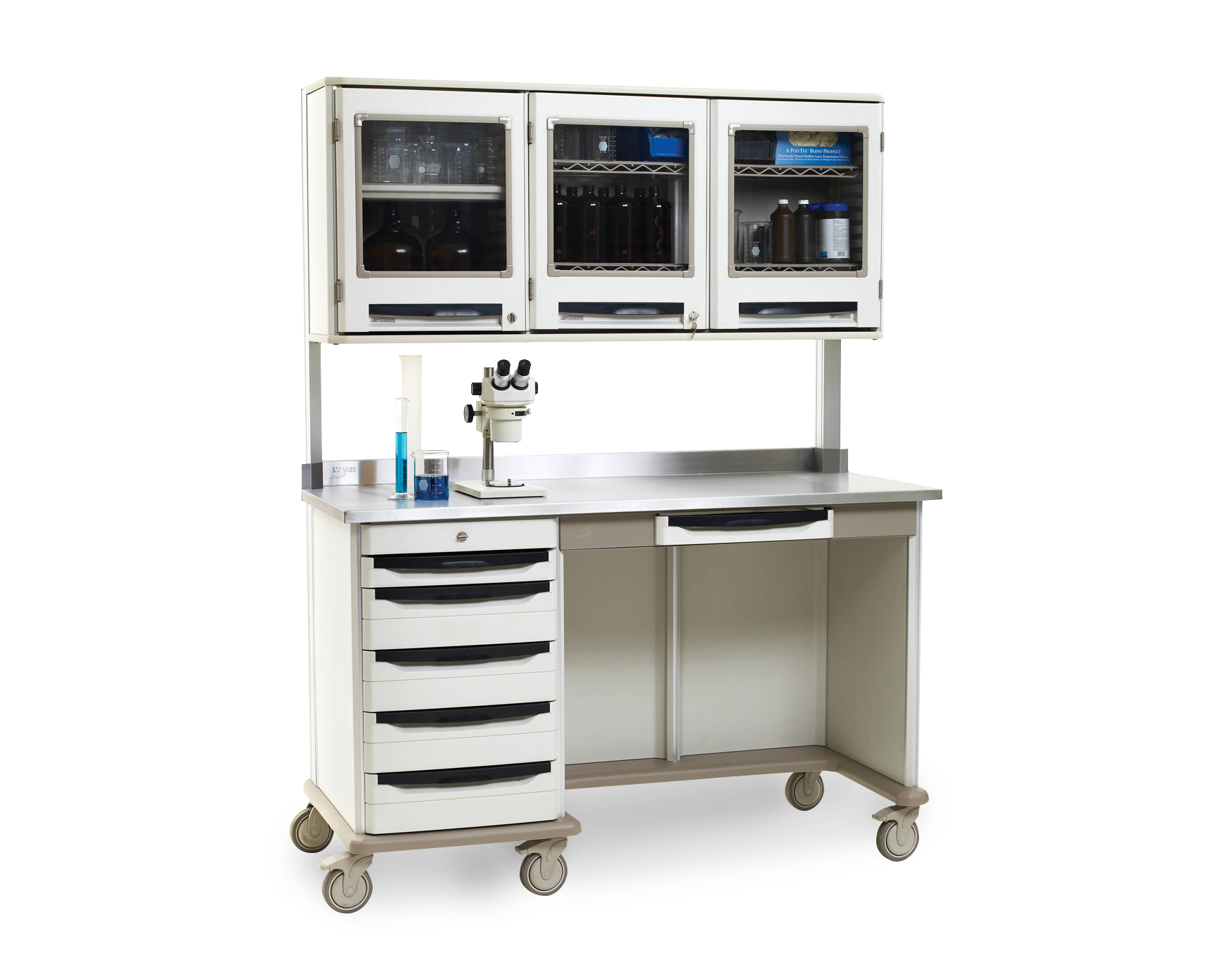
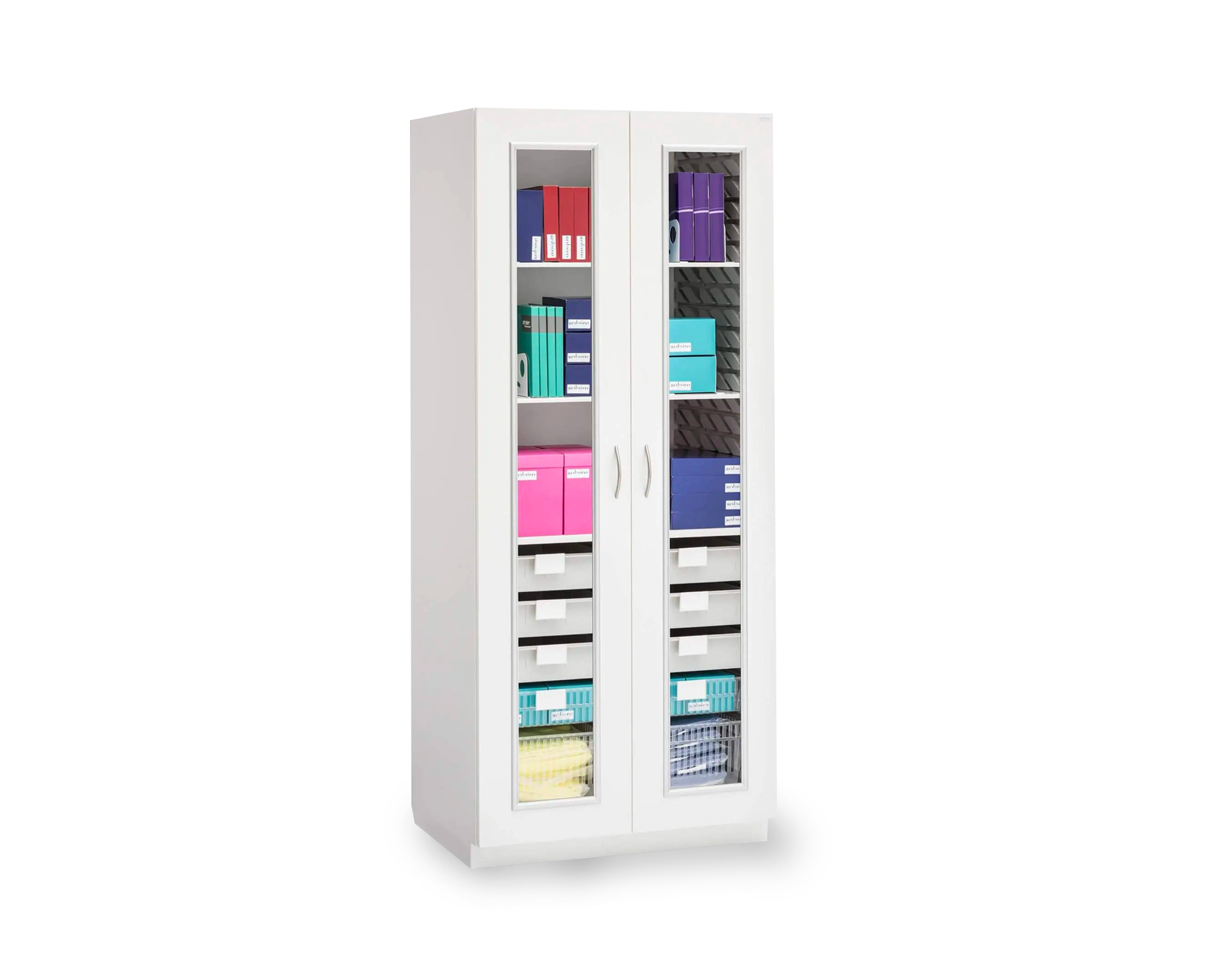
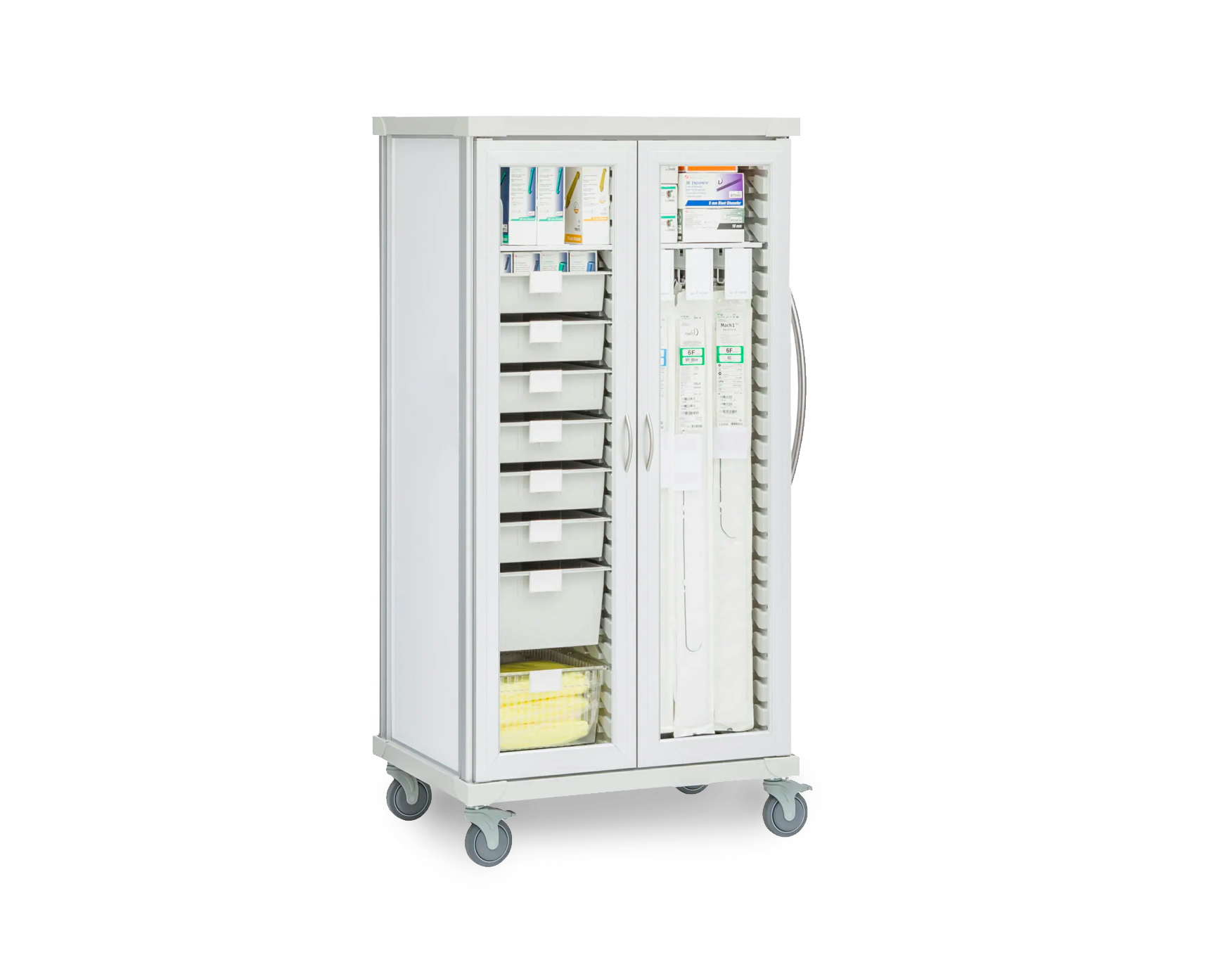
Closed supply cabinets are configured to suit different needs. They can be built-in, replacing millwork, or mobile with custom configurations of single, double, or triple column.
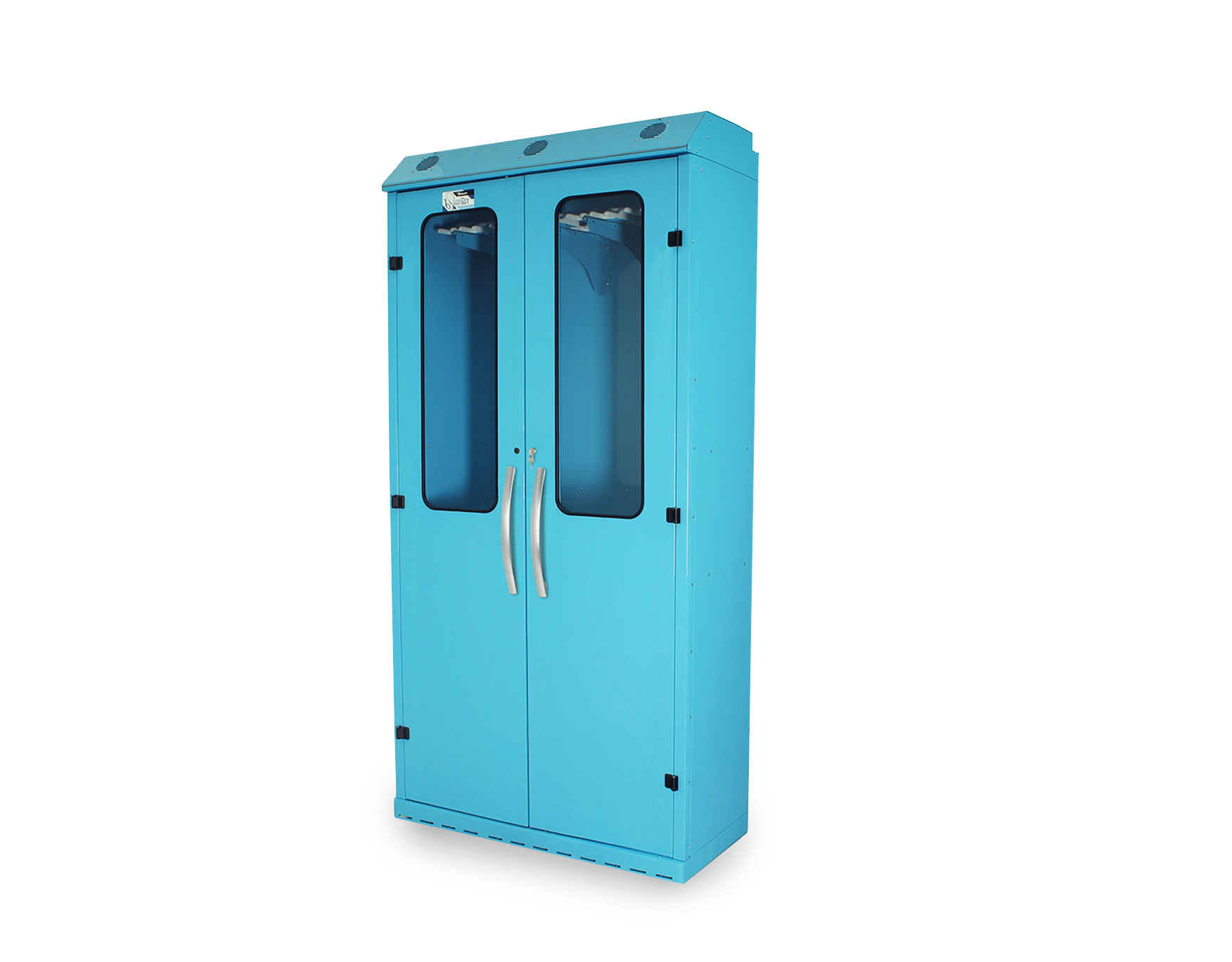
Harloff’s painted steel cabinets come in a range of colours. InnerSpace and Metro Starsys cabinets are aluminum-framed with infection-control-friendly, microban-infused polymer bodies that don’t dent or scratch.
Quality options
Core interior accessories include wire and solid shelves, solid tote bins, and baskets, all with dividers. Specialized interior accessories include suture storage modules, catheter hangers and managers.
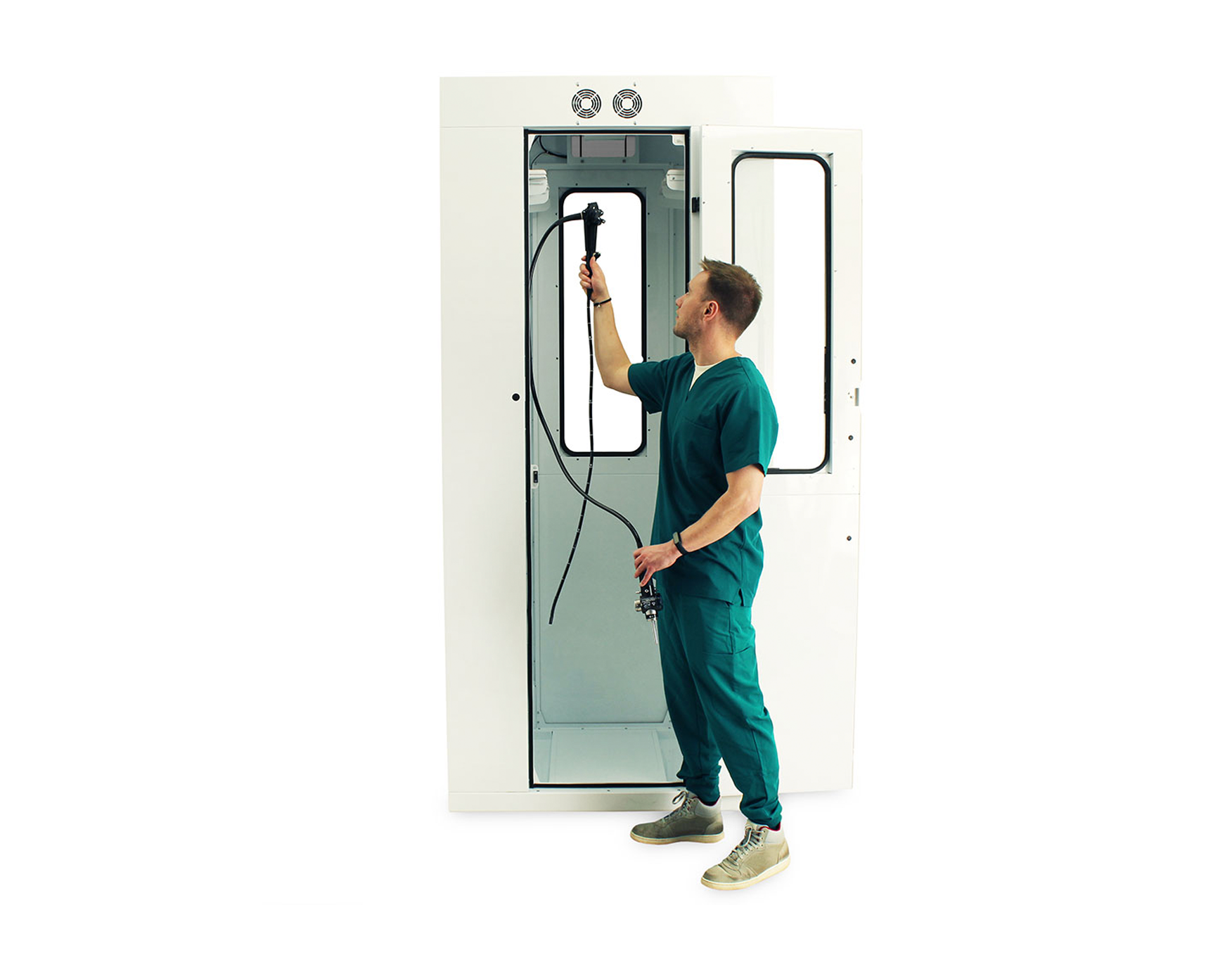
To avoid damaging expensive endoscopes, existing cabinets can be retrofitted with a feature that dries the inner lumen of the scopes so they can dry properly
Built-in or mobile, which enclosed storage fits your space?
Built-in units replace millwork and become part of the room, which works well for a space that isn’t changing anytime soon. Mobile versions, available in single, double, triple or quad-column configurations, move with a changing floor plan or a department that needs flexibility more than permanence.
What’s the difference between painted steel and polymer cabinet bodies?
Harloff’s painted steel cabinets come in a range of colours, which helps when a cabinet needs to match a specific department. InnerSpace and Metro Starsys cabinets take a different approach, with aluminum frames and microban-infused polymer bodies built to resist the dents and scratches steel can pick up in a busy corridor over time.
How do enclosed cabinets protect expensive supplies and equipment like endoscopes?
Standard interior accessories cover most needs: wire and solid shelves, solid tote bins, baskets, and dividers. For more specialized equipment, we also work with suture storage modules and catheter hangers and managers. Scope cabinets are designed to be modular and can be retrofitted with a feature that dries the inner lumen of endoscopes, enabling scopes to dry properly between uses.
Our Enclosed Storage & Workstations Solutions
Enclosed Storage & Workstation QUESTIONS WE HEAR A LOT
What’s the best storage option for securing supplies in a public or semi-public hospital area?
Enclosed, lockable cabinets are usually the right call for any space with public foot traffic or mixed access. They restrict who can get to supplies while still keeping everything organized and close to where it’s used, which matters in corridors, waiting areas, and other spaces you don’t fully control.
Can enclosed storage cabinets be customized for OR core areas?
Yes. OR core areas typically call for a tighter configuration than a general supply room, and cabinets can be specified with column count, shelf type, and accessories matched to what’s actually stored there.
Do clean supply rooms need enclosed, closed storage cabinets?
Not usually. Clean supply rooms are typically already closed off from public or high-traffic areas, so they don’t need the same level of restricted access. Enclosed cabinets make the most sense in spaces with higher exposure or higher stakes, most commonly operating theatres, medical device reprocessing departments, and trauma rooms, though they’re not limited to just those. If your space handles public or semi-public traffic, enclosed storage is usually worth it.
Do enclosed cabinets need to be built-in, or can they be mobile?
Either, depending on the space. Built-in cabinets suit a room that’s staying put for the long haul. Mobile cabinets make more sense when a department’s layout or needs are likely to shift. You can always reach out for a space design consultation.
What accessories come standard inside an enclosed storage cabinet?
Wire and solid shelves, tote bins, baskets, and dividers cover most setups. Specialized accessories like suture storage modules, catheter hangers, and endoscope drying retrofits are available for equipment that needs extra care.