Category:
Carts 101
Showing results for:
Carts 101
-
How Much Weight Can This Cart Really Hold? What Your Shelves Aren’t Telling You
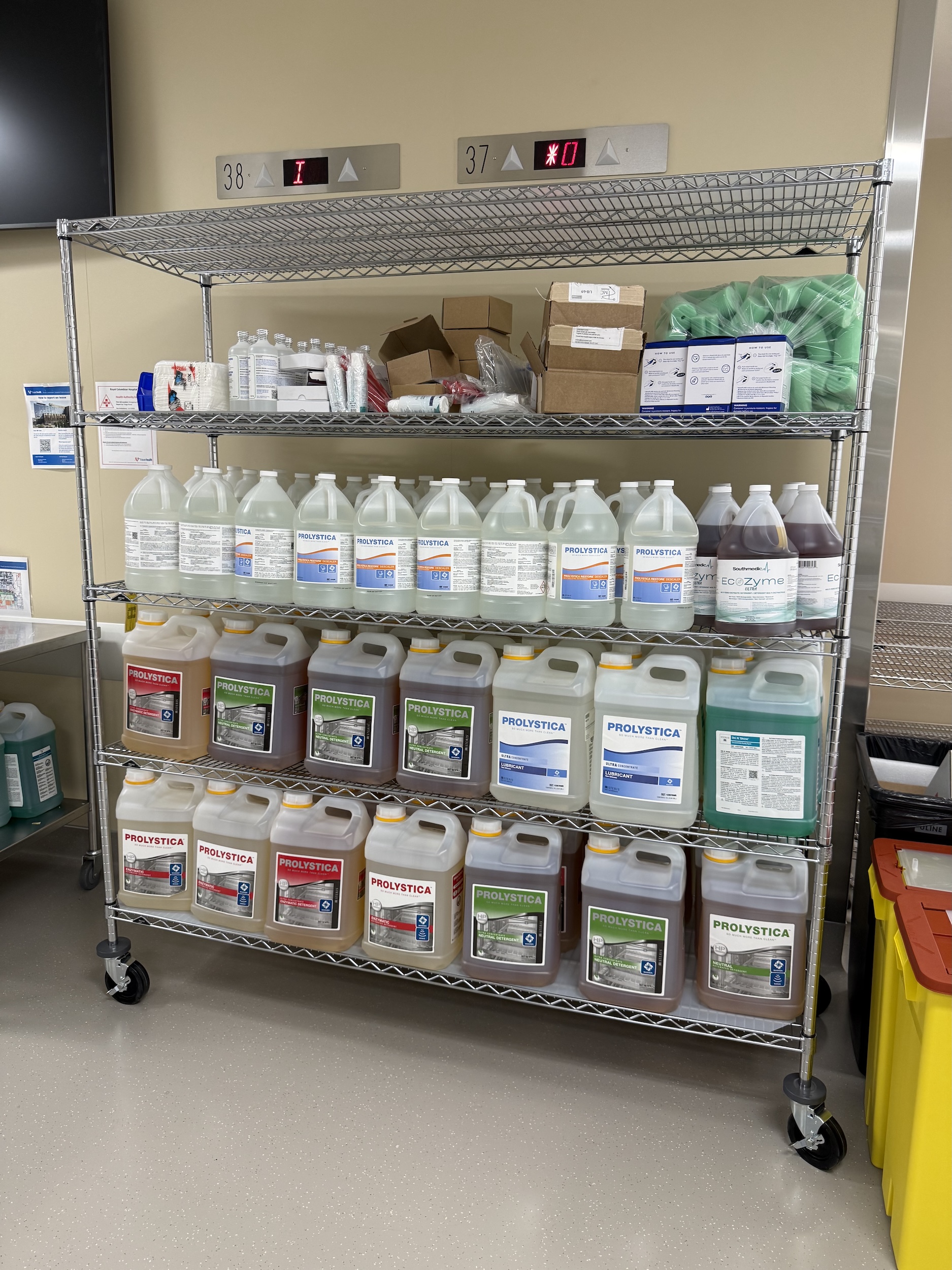
A cart is only as strong as its weakest component. More often than not, that component is the casters. Many wire shelving manufacturers simply total the rating of all four casters and call that the cart capacity, while others rate carts based on three casters.
-
Same Footprint, Different Capabilities: A Practical Guide to Clinical Cart Selection
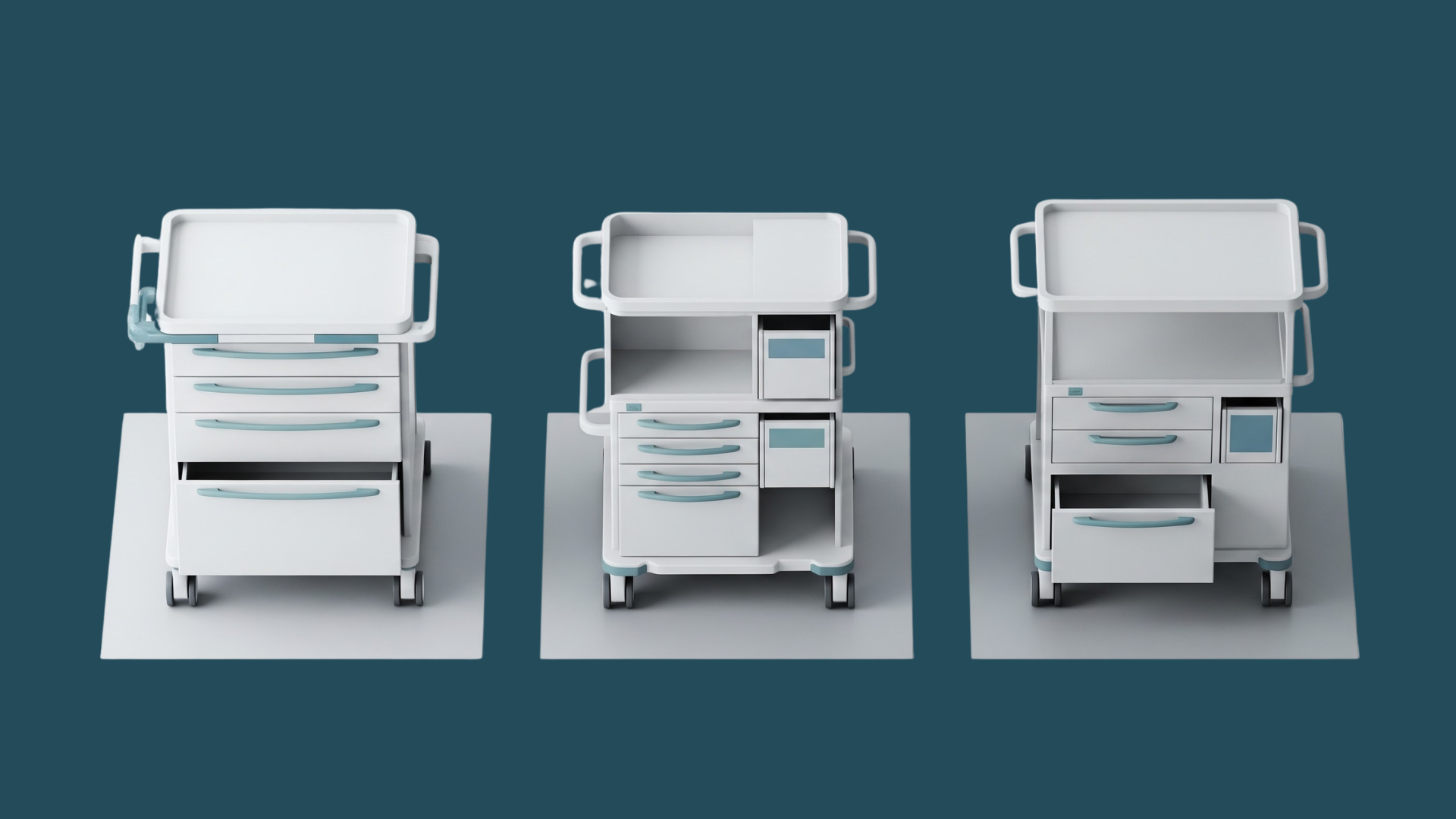
A “good” cart in healthcare is one that fits the space, supports safe access to supplies, and gives you the most usable storage for the footprint you sacrifice on the floor.
-
What Happens When… You Don’t Properly Clean a Plastic Bin
Plastic bins can trap dust, bioburden, and spills, especially in corners, scratched surfaces, or under handles. If not cleaned thoroughly and on schedule, these bins become reservoirs for microbes. Even small lapses in cleaning allow contaminants to accumulate, increasing the likelihood of cross-contamination between supplies, staff, and ultimately, patients.
-
Why Supply Baskets Beat Plastic Bins Every Time
Every healthcare team wants an efficient, clean, and organized supply system. There’s one small choice that can make a surprisingly big impact: wire supply baskets versus plastic bins. It’s easy to assume plastic bins are the cheaper option: they can look tidy, come in bright colours, and seem simple enough. But when you dig into the day-to-day use, the true cost of plastic bins starts to add up.
-
One Thing Every Buyer Should Know Before Choosing Medical Carts and Storage
This is a guest post from Forsyth Healthcare Director Shad Forsyth.
-
What Happens When You Overload a Cart?
In healthcare supply management, a cart is more than just a cart. It’s the frontline tool that determines whether the right supplies get to the right people at the right time. But what happens when that cart is overloaded? The answer is: efficiency drops, costs rise, and patient care can be indirectly affected. Let’s break…