
This is a guest post from Forsyth Healthcare Director Shad Forsyth.
The Conversation That Costs Hundreds of Thousands
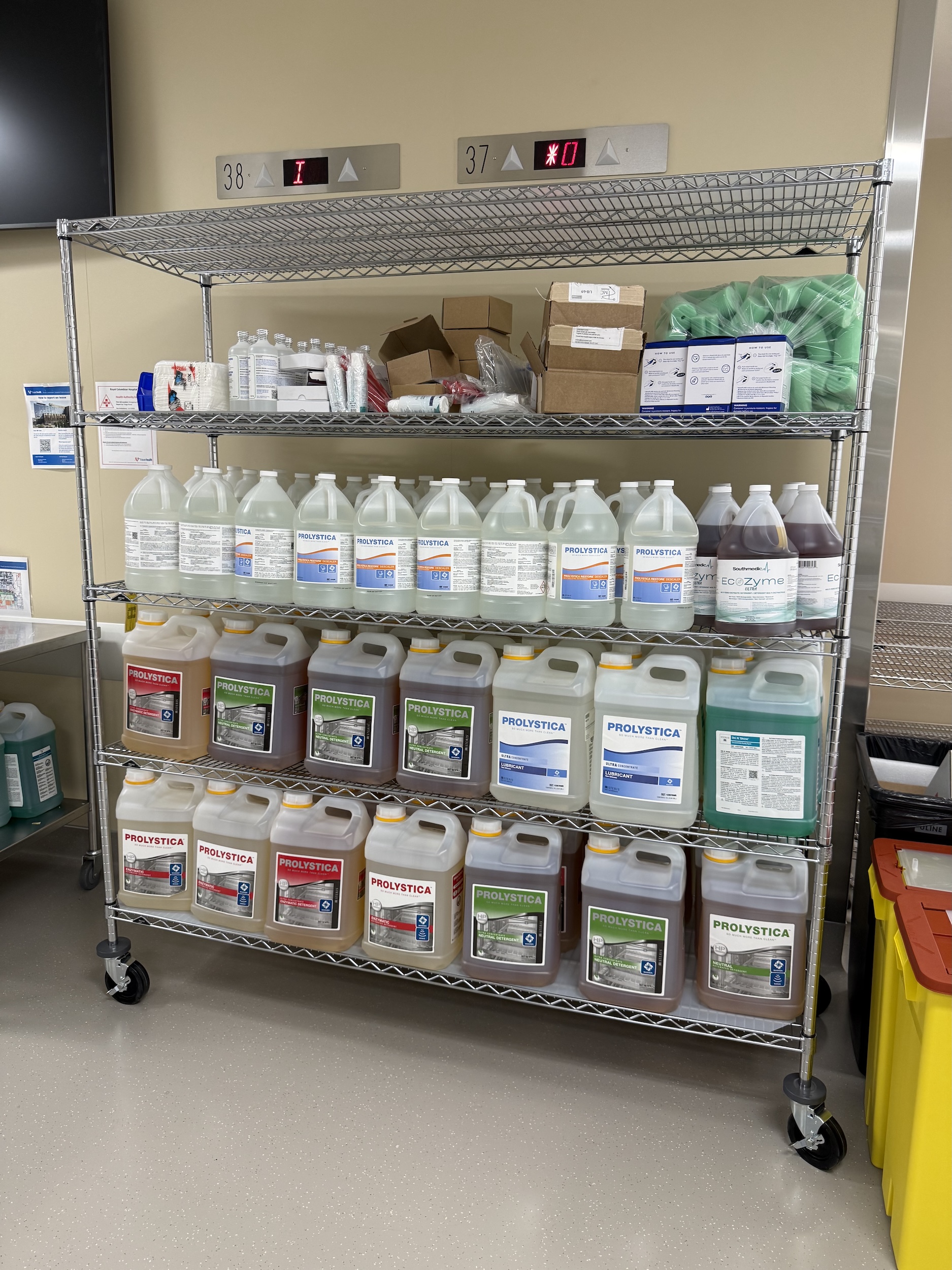
I was talking to an equipment planner about cart finish options for a new perioperative sterile core. The ask was for stainless steel. I explained why chrome was more than good enough for the application. They agreed.
Then they said something that stuck with me: “I wish I’d known this before we bought all stainless steel carts for the MDR storage area.”
Stainless is 2 to 4 times more expensive than chrome. For a full MDR build, that difference can easily measure in the hundreds of thousands.
Here’s the rub: we’d offered this information at the time. I’d even shown the potential savings. But at that point, they were working with a dealer who was focused on closing the order, not challenging assumptions.
They turned a blind eye then. Now they’re lamenting information I’d given them months earlier.
That’s the difference between a reseller and a subject matter expert.
What “Just Another Dealer” Looks Like
In the healthcare storage world, there are a lot of resellers. They:
- Send quotes based on what you ask for
- Push what’s in the catalog or what has the best margin (They focus on the product. Features and supposed benefits always come first, usually straight from training decks or marketing copy, with very little attention paid to what the customer actually needs.)
- Keep the relationship at arm’s length, treating the interaction as a transaction rather than something to build over time
- Don’t ask questions about workflow, access patterns, or long-term use
- Rarely visit the site or walk the space
They’re transactional. You tell them what you want, they ship it, and that’s the relationship.
What a Subject Matter Expert Looks Like
A subject matter expert does something different. They:
- Ask how the space will actually be used, who will access it, and how often
- Challenge assumptions when they see a mismatch between the spec and the application
- Walk the unit and look at existing pain points
- Do the math with you, even when it means recommending the less expensive option
- Stay involved after the install to make sure it’s working as intended
They’re not trying to maximize the size of the order. They’re trying to maximize the performance of the space over years of operation.
The Financial and Workflow Impact Over Time
The difference between these two approaches shows up in:
- Avoidable spend: Choosing the right material and finish cuts both ways: overspending on stainless when chrome is more than enough, or having to buy again when the first choice doesn’t fit the application. I see both far too often.
- Daily friction: Storage that’s hard to access, carts that don’t fit through doorways, shelving that’s difficult to clean.
- Maintenance costs: Casters that fail early, finishes that corrode in the wrong environment, bins that need to be cleaned regularly, accessories that don’t fit because nobody checked compatibility.
- Missed opportunities: Not knowing that a small configuration change could save time on every shift for years.
Over the life of a facility or a unit, these differences compound. A subject matter expert doesn’t just save you money upfront. They save you time, frustration, and rework for years.
How Forsyth Chooses to Work
At Forsyth, we’ve made a choice about how we work with clients.
We have real conversations, not just long email threads. We walk the space with you. We ask the awkward workflow questions because we’ve seen what happens when nobody does. And if the right answer is a less expensive option, we’re fine recommending it, even if it means a smaller order.
For me and my team, this is quite simply how we believe you build trust. If we help you make a good decision now, you’re more likely to call us on the next project and mention us to other planners and leaders.
We’d rather be your partner than just another vendor.
An Invitation
If you’re planning carts, mobile storage, or fixed shelving in BC or Western Canada, it’s worth asking: do I have a reseller, or do I have a partner?
If you’re not sure, or you want a second opinion on a project, reach out. I’m happy to walk the space, push on a few assumptions, and run the numbers with you.
Because the best storage solutions don’t come from a catalog. They come from understanding how your teams actually work.