Category:
Clinical Storage Solutions
Showing results for:
Clinical Storage Solutions
-
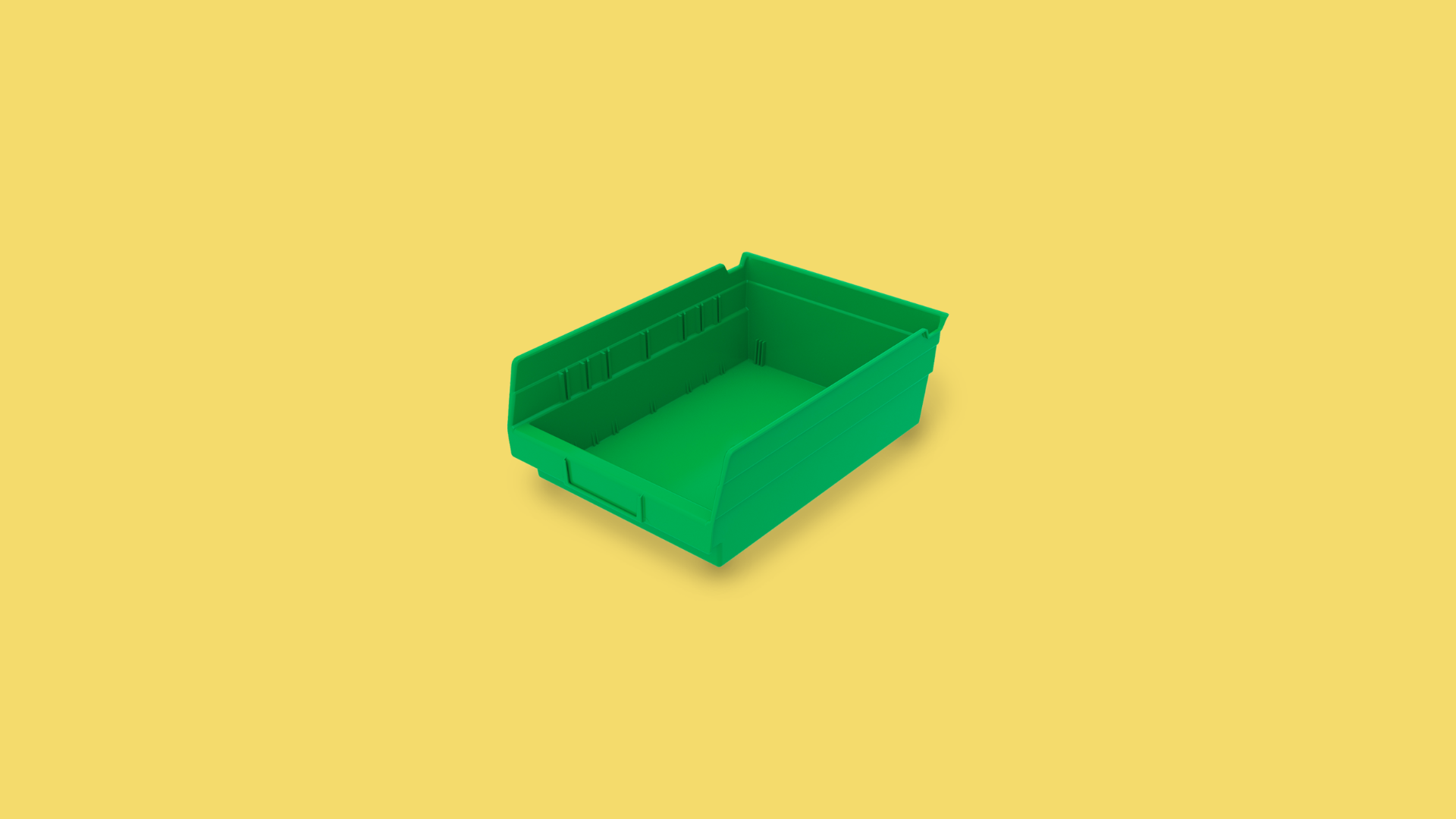
The Storage Accessories Nobody Thinks to Ask About
For wire carts and shelving, most people picture one style of label holder. In practice there are A LOT of variations, and the right pick changes how fast a supply room actually moves.
-

How Do I Comply With CSA Standards for Clean and Sterile Supply Storage?
A practical guide to CSA-aligned clean and sterile supply storage, including shelving clearances, cardboard rules, room setup, cleaning expectations, and FAQ.
-
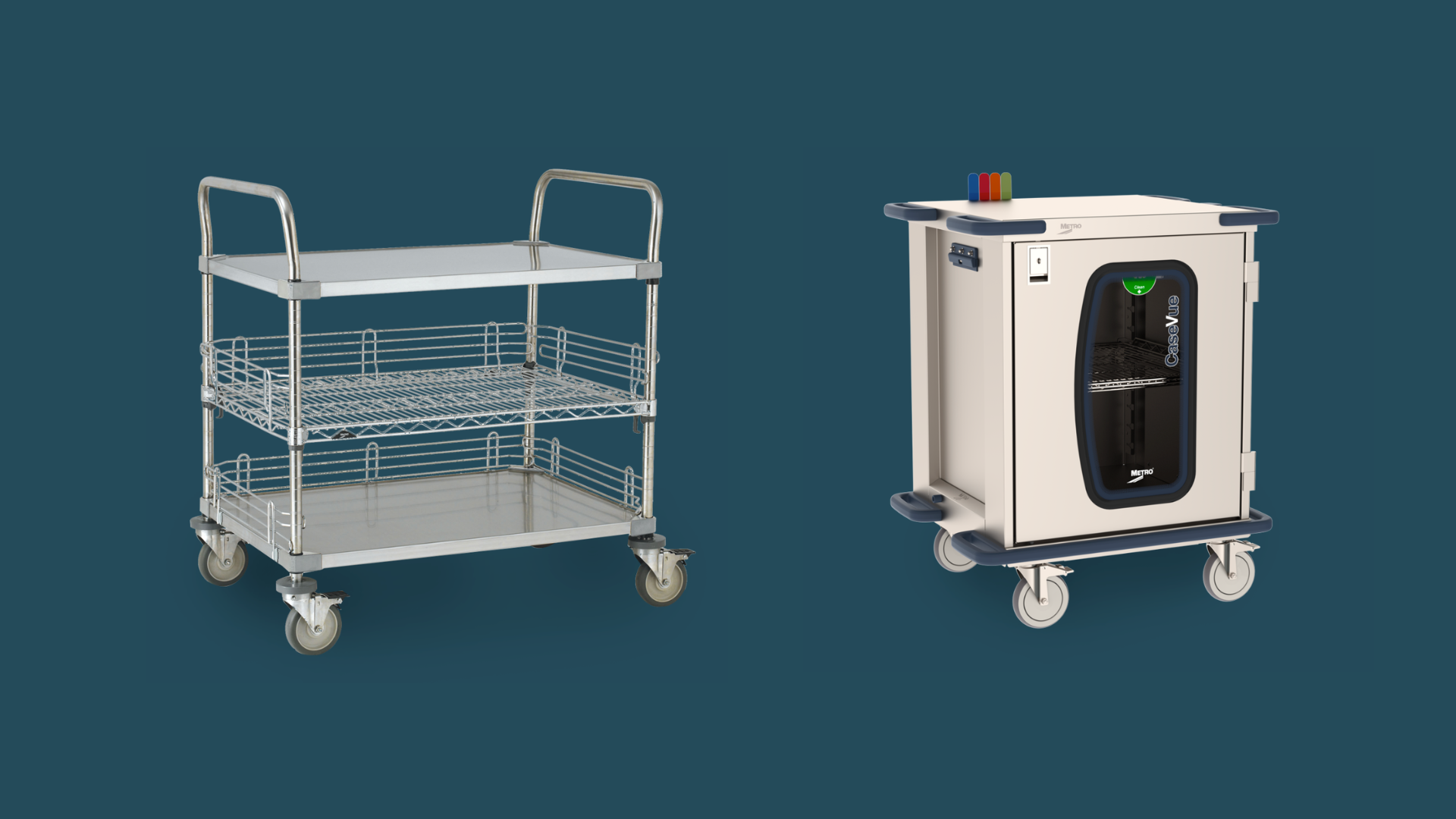
Closed Case Carts vs Open Case Carts: How to Choose for Your OR
Choosing between closed case carts and open case carts touches almost every part of an OR’s day, from how instrument trays and supplies move cleanly and safely through the building. An understanding of your routes, staging areas, and infection‑control expectations will do more to guide that choice than features on a spec sheet.
-
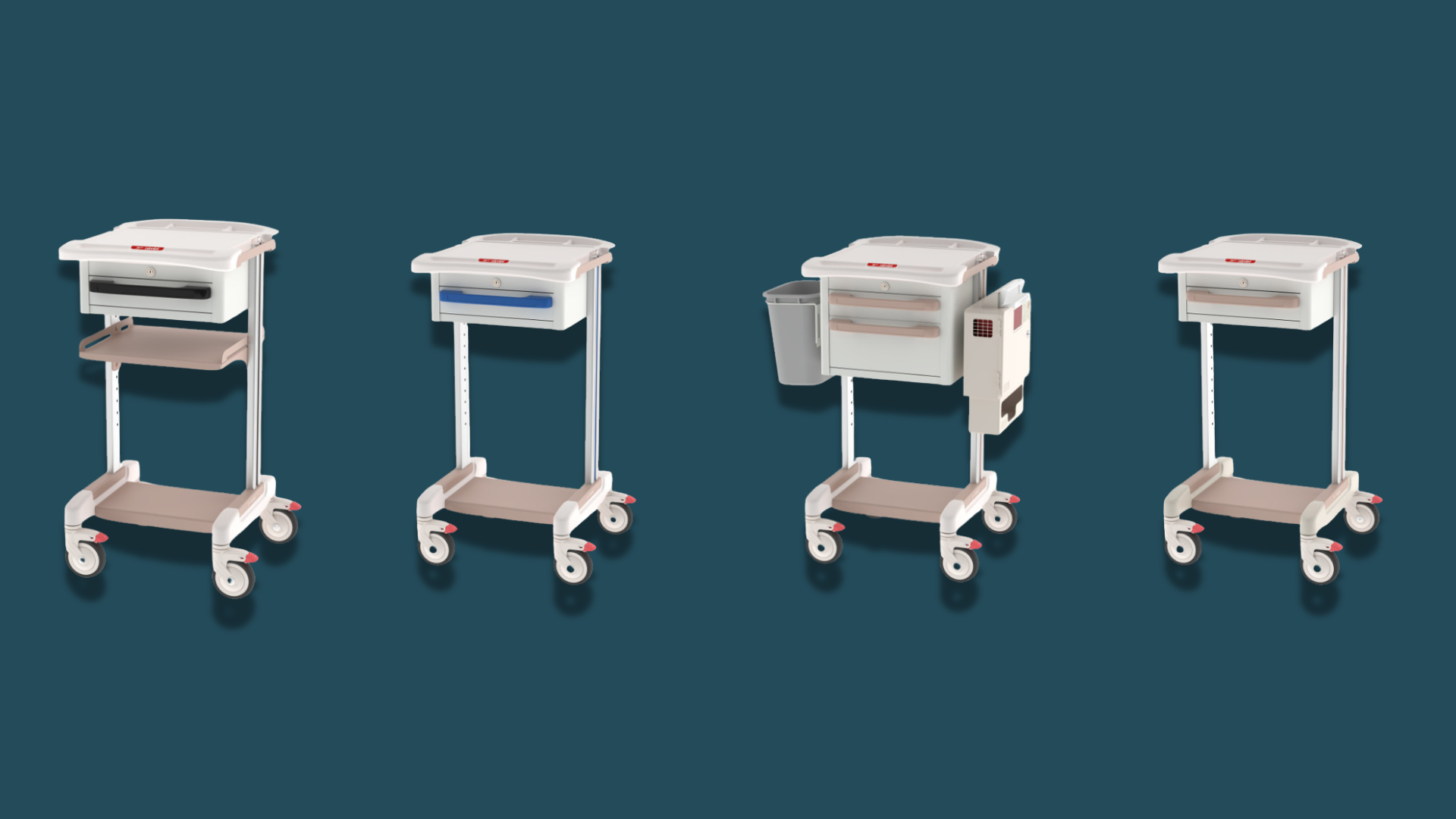
Metro Nimbl: A Small Cart With More Than One Job
Metro has combined a standing-height work surface, enclosed and open storage, and room for small equipment into a mobile platform designed to stay lightweight and easy to maneuver. The result feels a bit like a chameleon. In one setting it can behave like a compact equipment cart. In another, it starts to look more like…
-
From One Line on a Drawing to a Finished Space: What 11 Years of Projects Have Taught Me
11 (!) years into Forsyth (and a heck of a lot longer than that in the medical carts and storage business), I no longer see a rectangle. I see clinical workflows, staffing levels, infection prevention, maintenance, budgets, and a lot of expectations that never quite fit on the drawing.
-
More Than ‘Just Another Dealer’: Why Subject Matter Expertise Matters in Healthcare Storage
At Forsyth, we’ve made a choice about how we work with clients. We have real conversations, not just long email threads. We walk the space with you. We ask the awkward workflow questions because we’ve seen what happens when nobody does. And if the right answer is a less expensive option, we’re fine recommending it,…