Category:
Carts 101
Showing results for:
Carts 101
-
The One Feature I’ve Changed My Mind About
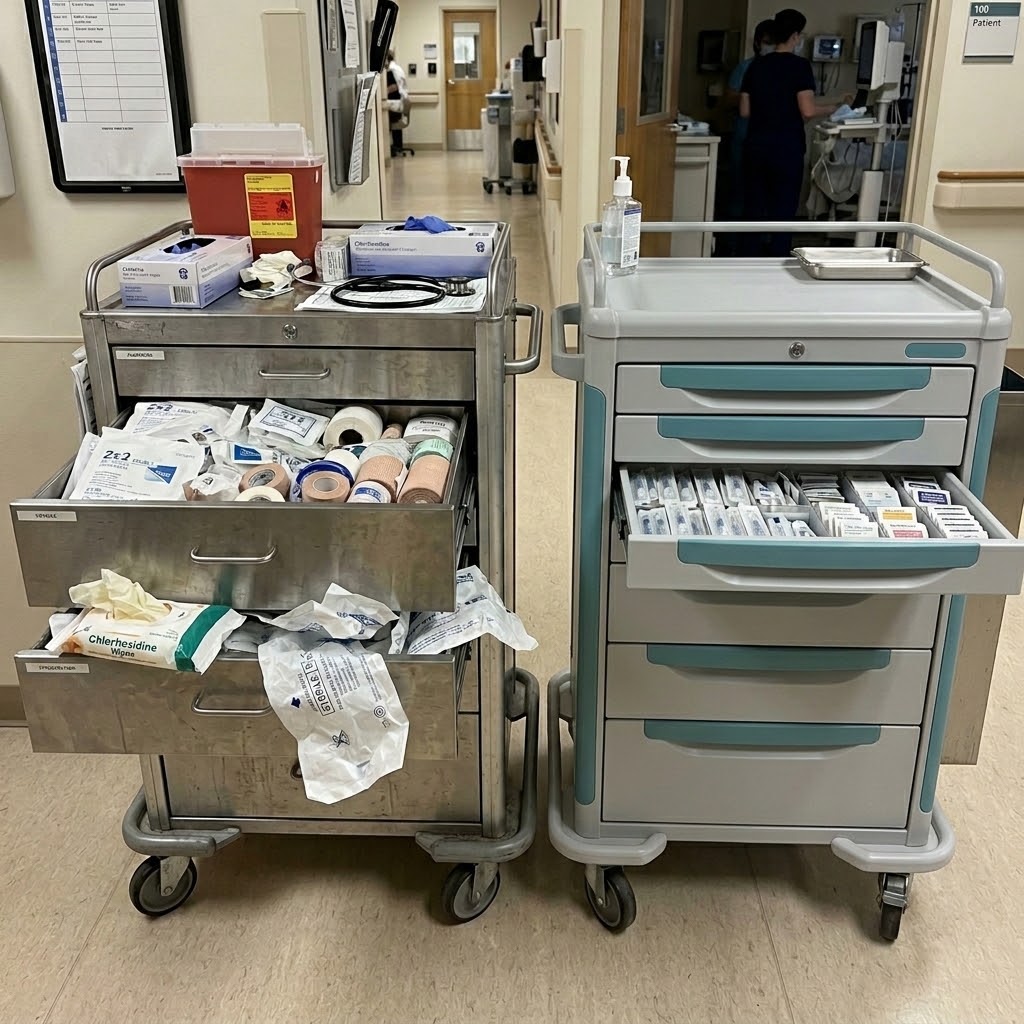
Every time I think I have a “rule” about carts or storage, a nurse, a tech, or a materials lead will say something that flips it on its head. Smaller drawers started as a compromise in my mind. Now, in the right context, they are one of the levers we can use to help teams…
-
Fit the Storage to the Work: Counting the Cost in Steps and Minutes
You don’t need a stack of research papers to know that better storage helps people move faster and with less frustration. Most nurses and materials teams could tell you that in one sentence. You don’t need a formal study to start understanding the impact of storage in your own building. You can begin with three…
-
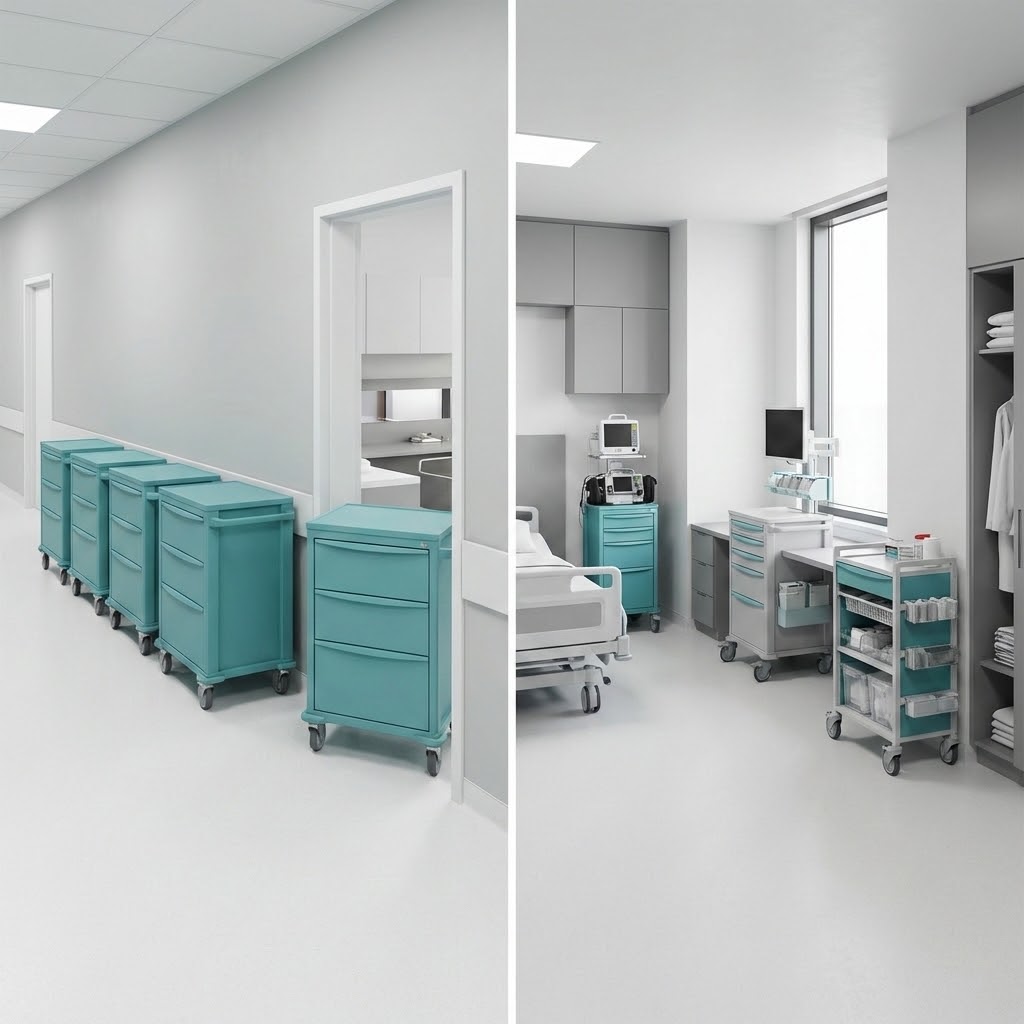
Standardizing Medical Carts: When It Works and When It Holds You Back
On paper, standardizing carts and storage across a site or region looks like an easy win.One brand, one platform, common accessories. Easier ordering, greater consistency, cleaner-looking units.
-
How Much Weight Can This Cart Really Hold? What Your Shelves Aren’t Telling You
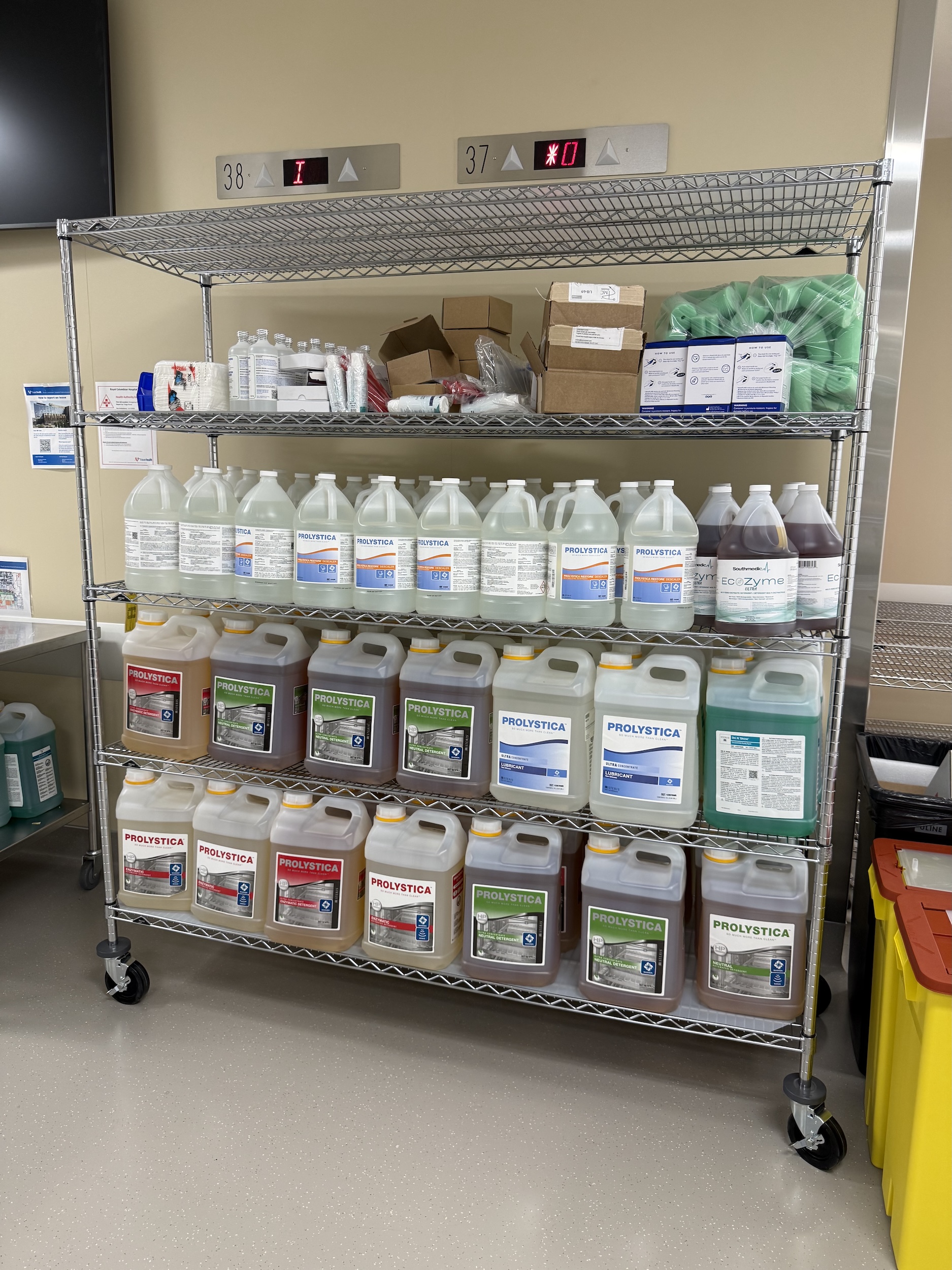
A cart is only as strong as its weakest component. More often than not, that component is the casters. Many wire shelving manufacturers simply total the rating of all four casters and call that the cart capacity, while others rate carts based on three casters.
-
Same Footprint, Different Capabilities: A Practical Guide to Clinical Cart Selection
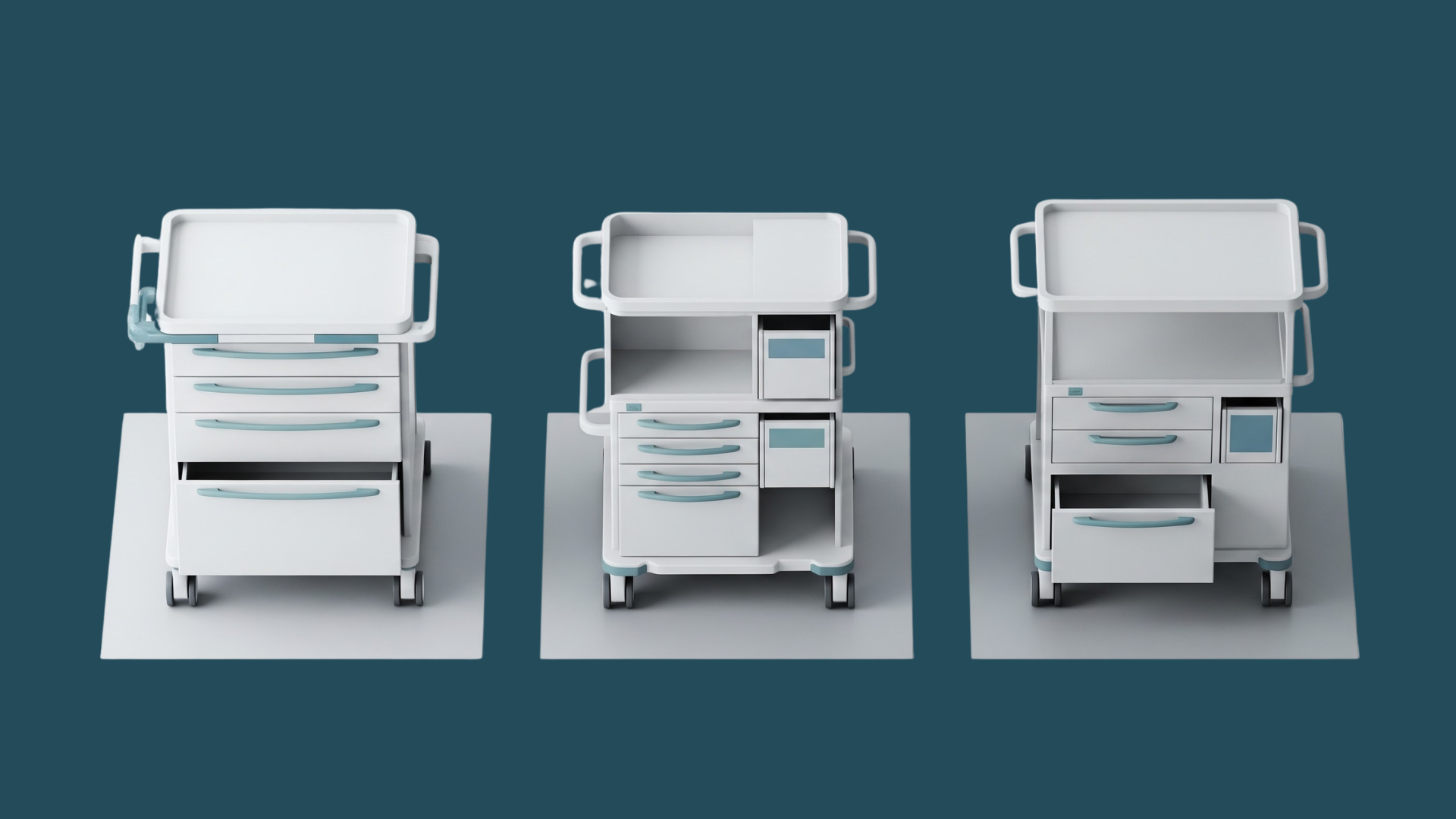
A “good” cart in healthcare is one that fits the space, supports safe access to supplies, and gives you the most usable storage for the footprint you sacrifice on the floor.
-
What Happens When… You Don’t Properly Clean a Plastic Bin
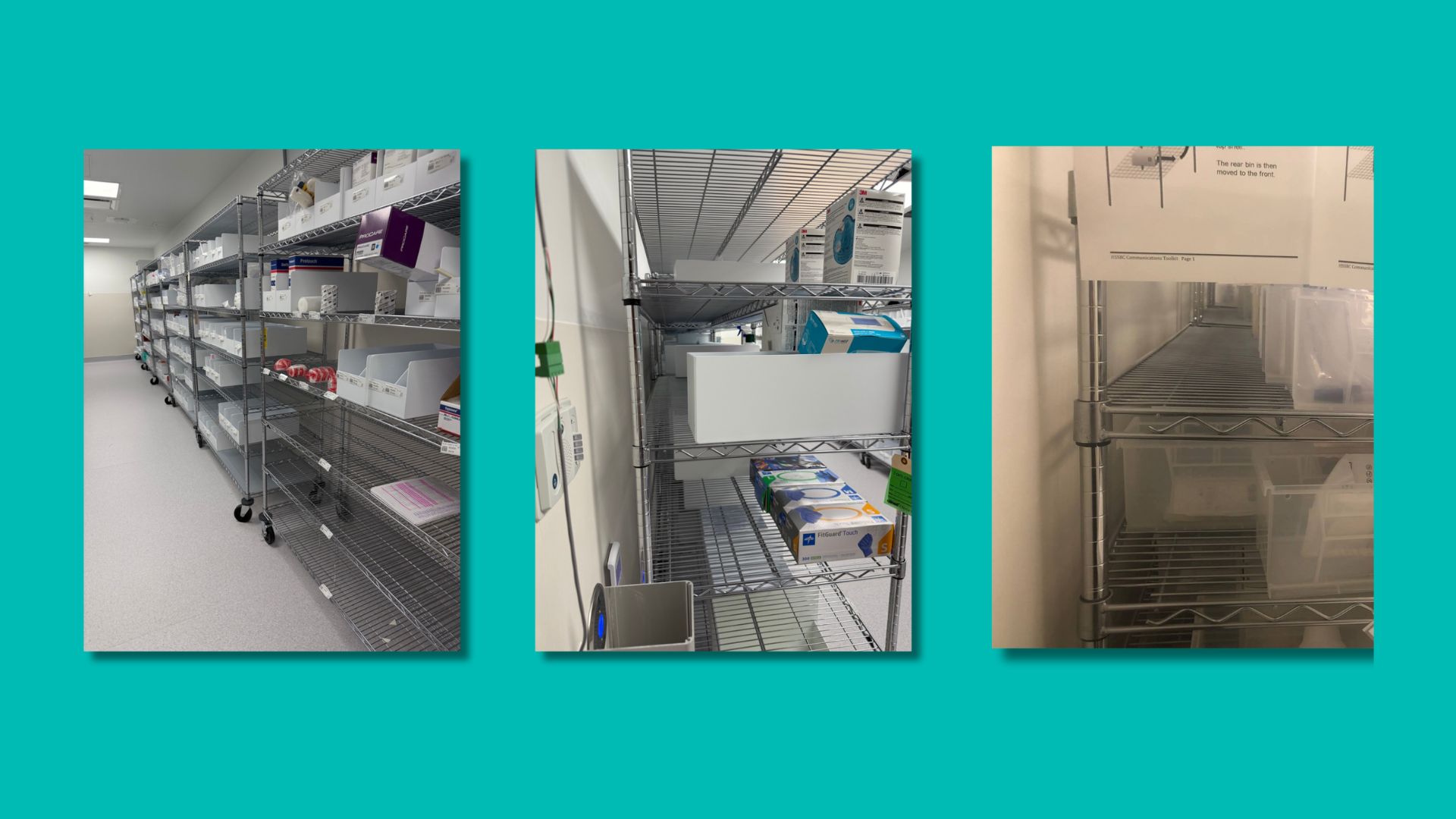
Plastic bins can trap dust, bioburden, and spills, especially in corners, scratched surfaces, or under handles. If not cleaned thoroughly and on schedule, these bins become reservoirs for microbes. Even small lapses in cleaning allow contaminants to accumulate, increasing the likelihood of cross-contamination between supplies, staff, and ultimately, patients.