
Category:
Carts 101
Showing results for:
Carts 101
-
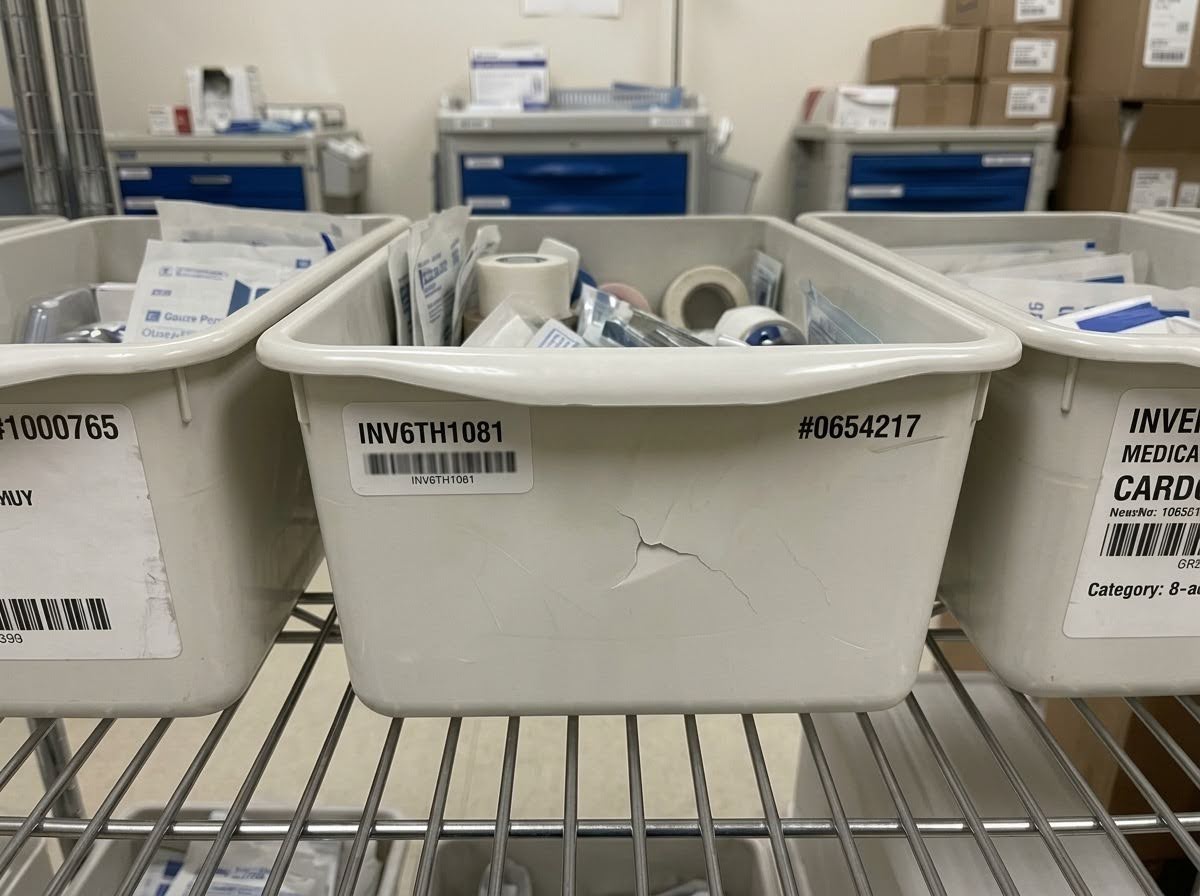
The Real Cost of a Plastic Bin
Plastic supply bins may seem like a low-cost storage solution at first, but their long-term expenses add up quickly through scuffs, cracks, and increased cleaning labor. Over time, the labor required to sanitize degraded plastic bins far outweighs their initial purchase price. Investing in durable alternatives like wire supply baskets reduces long-term operational costs while…
-
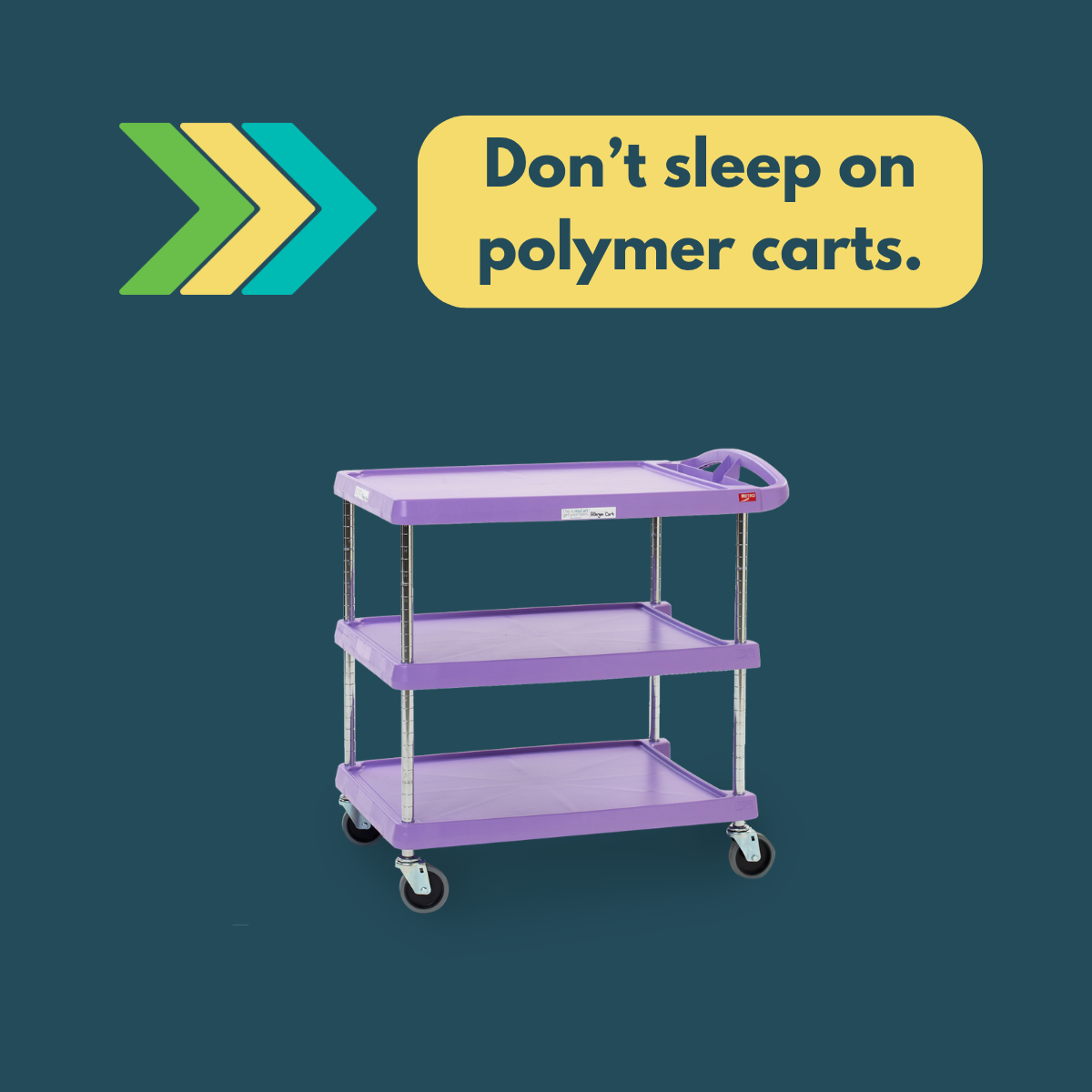
Why the “Go-To” Cart Isn’t Always the Right One
Stainless steel utility carts earned their reputation honestly. They’re durable, familiar, and easy to spec without much thought. When a project needs “a utility cart,” reaching for the known option feels safe. But familiar isn’t the same as optimal. Defaulting to the same cart on every project skips what we believe is the absolute most…
-
The Storage Accessories Nobody Thinks to Ask About
For wire carts and shelving, most people picture one style of label holder. In practice there are A LOT of variations, and the right pick changes how fast a supply room actually moves.
-

How Do I Comply With CSA Standards for Clean and Sterile Supply Storage?
A practical guide to CSA-aligned clean and sterile supply storage, including shelving clearances, cardboard rules, room setup, cleaning expectations, and FAQ.
-
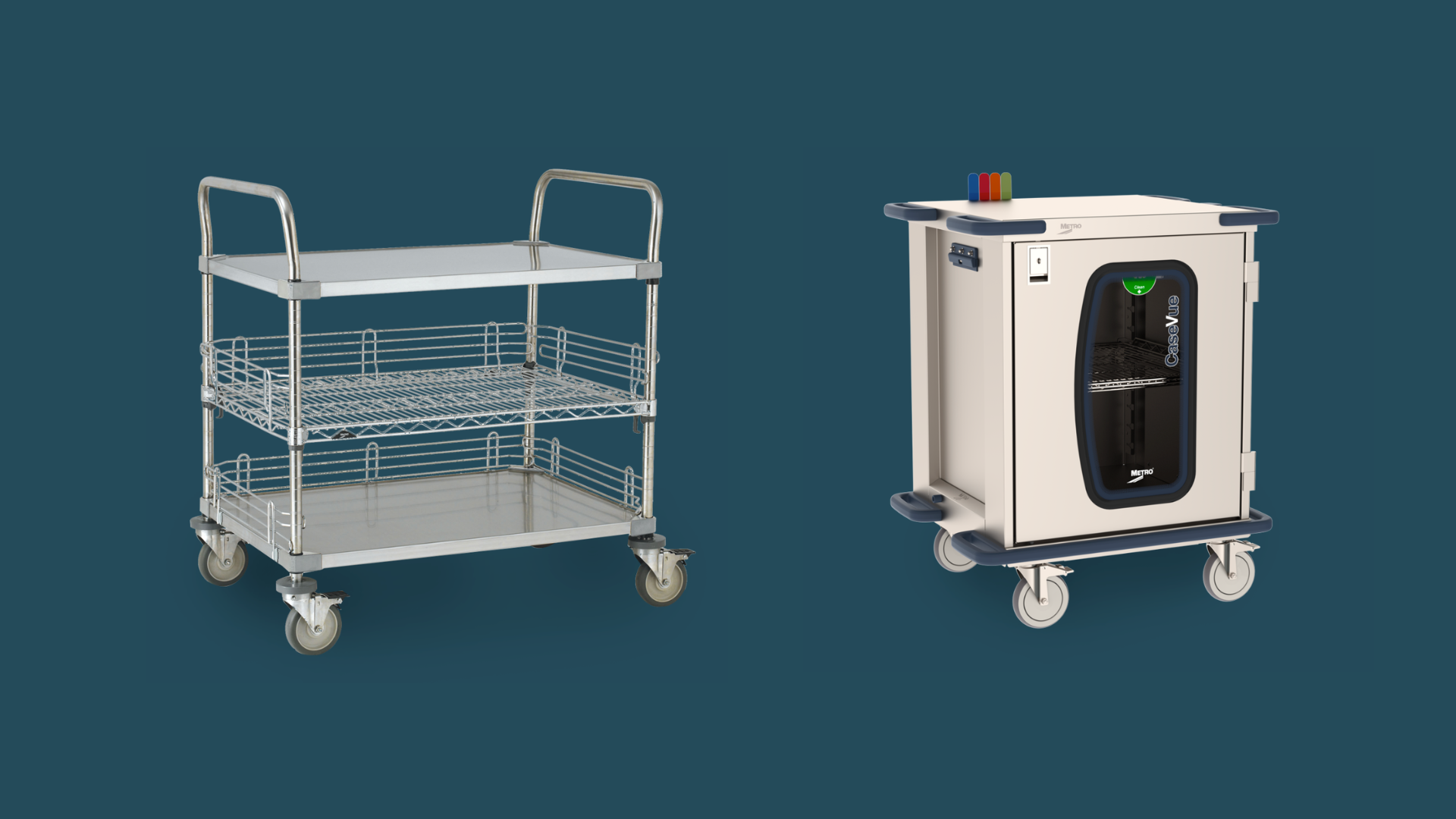
Closed Case Carts vs Open Case Carts: How to Choose for Your OR
Choosing between closed case carts and open case carts touches almost every part of an OR’s day, from how instrument trays and supplies move cleanly and safely through the building. An understanding of your routes, staging areas, and infection‑control expectations will do more to guide that choice than features on a spec sheet.
-
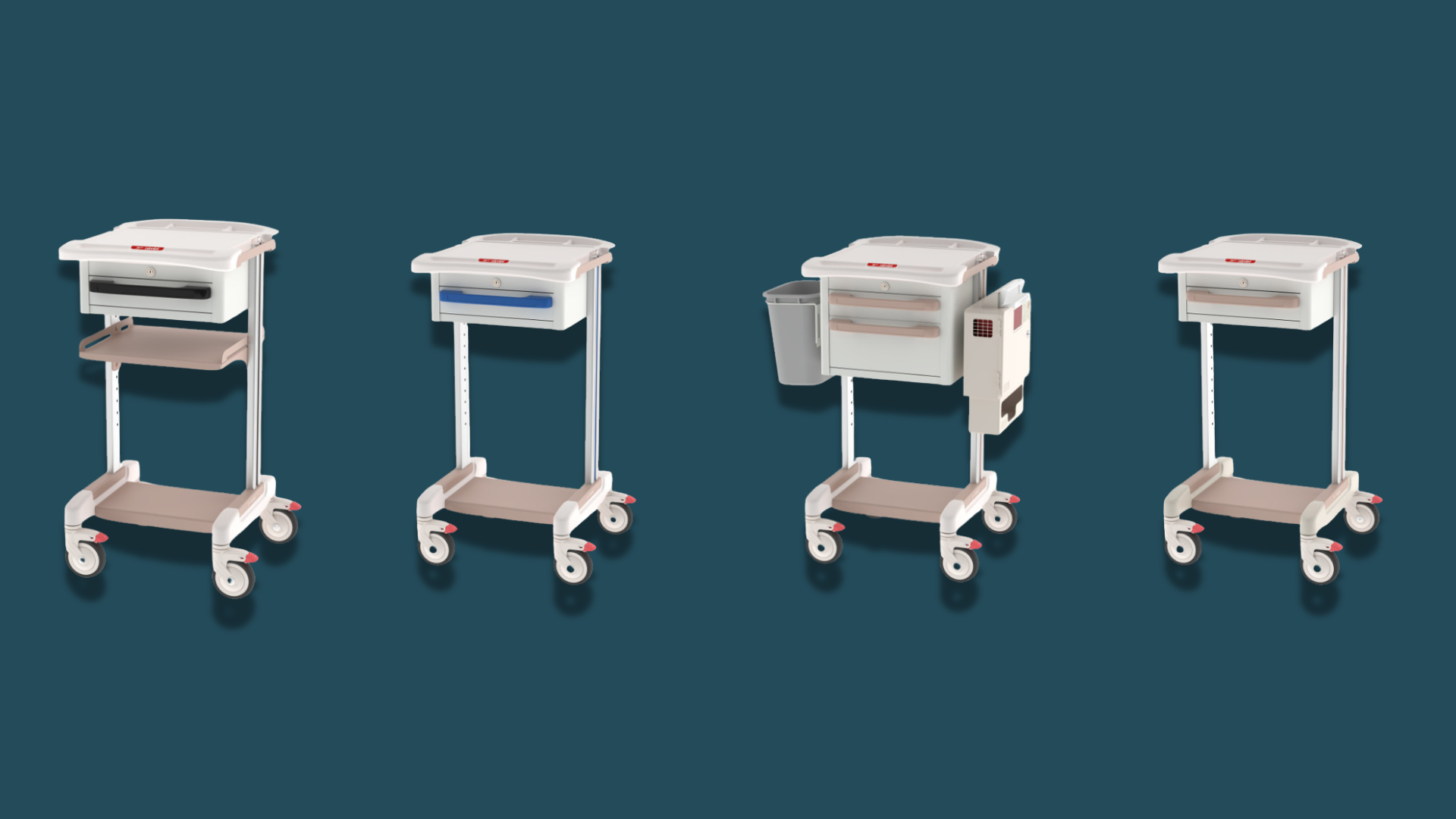
Metro Nimbl: A Small Cart With More Than One Job
Metro has combined a standing-height work surface, enclosed and open storage, and room for small equipment into a mobile platform designed to stay lightweight and easy to maneuver. The result feels a bit like a chameleon. In one setting it can behave like a compact equipment cart. In another, it starts to look more like…