Category:
Medical Clinic Storage
Showing results for:
Medical Clinic Storage
-
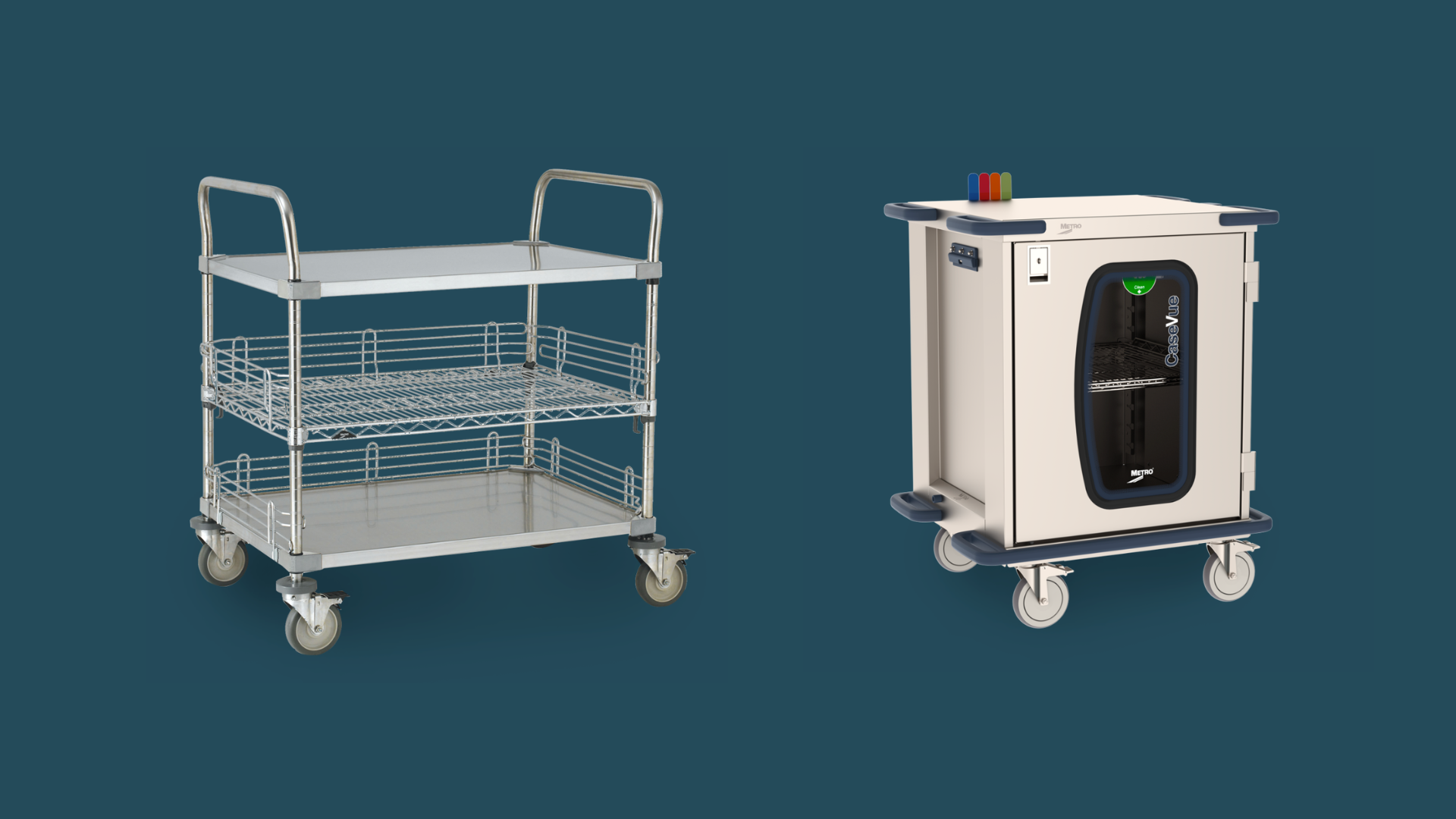
Closed Case Carts vs Open Case Carts: How to Choose for Your OR
Choosing between closed case carts and open case carts touches almost every part of an OR’s day, from how instrument trays and supplies move cleanly and safely through the building. An understanding of your routes, staging areas, and infection‑control expectations will do more to guide that choice than features on a spec sheet.
-
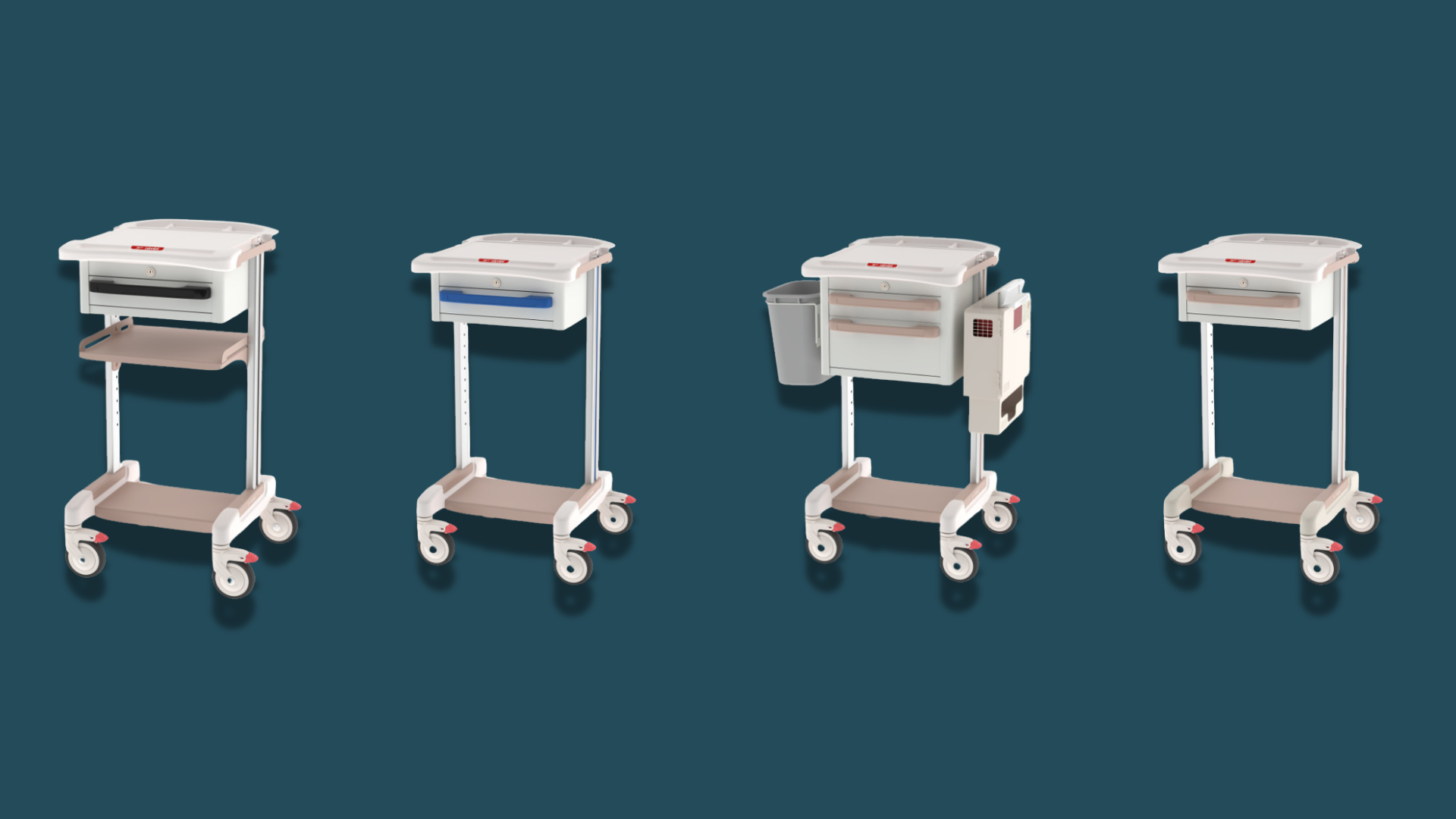
Metro Nimbl: A Small Cart With More Than One Job
Metro has combined a standing-height work surface, enclosed and open storage, and room for small equipment into a mobile platform designed to stay lightweight and easy to maneuver. The result feels a bit like a chameleon. In one setting it can behave like a compact equipment cart. In another, it starts to look more like…
-
Fit the Storage to the Work: Counting the Cost in Steps and Minutes
You don’t need a stack of research papers to know that better storage helps people move faster and with less frustration. Most nurses and materials teams could tell you that in one sentence. You don’t need a formal study to start understanding the impact of storage in your own building. You can begin with three…
-
What Happens When You Overload a Cart?
In healthcare supply management, a cart is more than just a cart. It’s the frontline tool that determines whether the right supplies get to the right people at the right time. But what happens when that cart is overloaded? The answer is: efficiency drops, costs rise, and patient care can be indirectly affected. Let’s break…
-

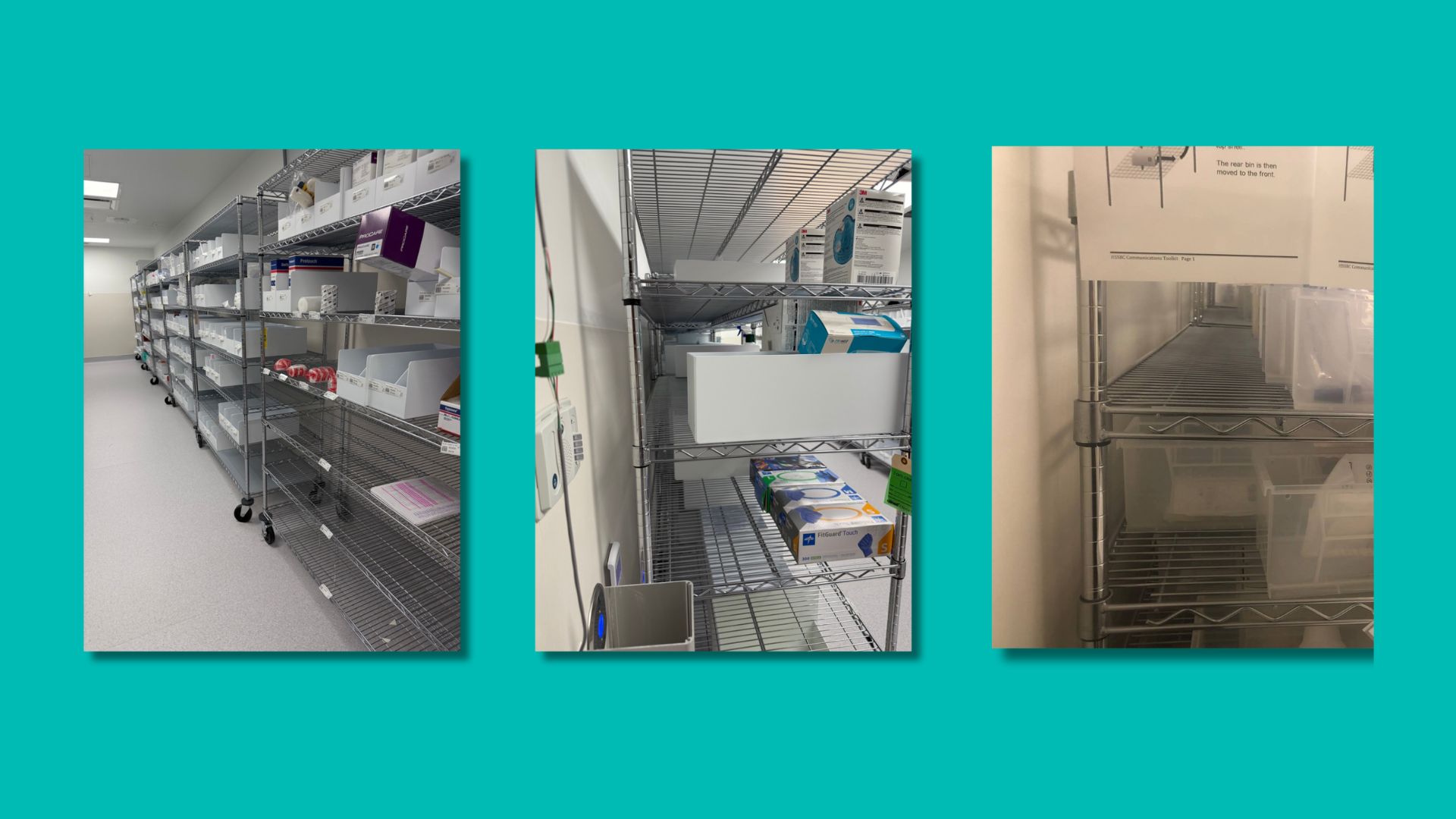
How to Maximize Storage Space in a Small Clinic
Managing private clinic storage spaces can be a challenge due to limited storage space and budget constraints. Here are 4 innovative and effective ways to maximize storage for productivity in a medical clinic with limited space.